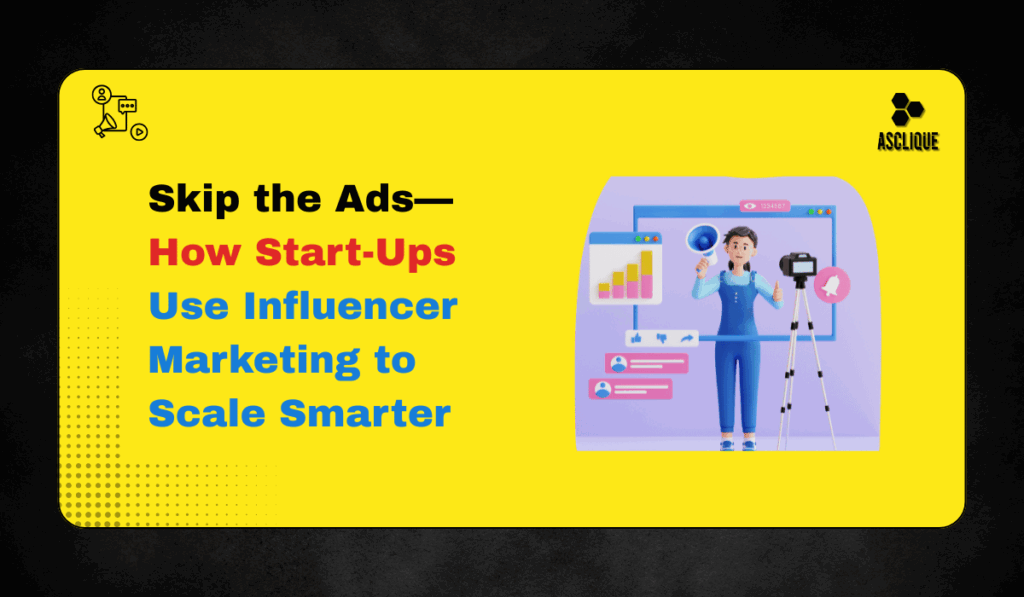
When you’re a start-up, people don’t know you—yet. You might have a great product, a brilliant team, and a solid plan, but without trust, even the best ideas can fall flat. That’s where influencer marketing for start-ups becomes a game-changer.
Instead of relying only on paid ads or cold outreach, influencer marketing helps you build trust through real people—individuals that your target audience already follows, listens to, and respects. It gets your brand in front of the right eyes—with authenticity and credibility.
And the data supports it. According to Influencer Marketing Hub’s 2024 report, brands are earning an average of $5.78 in value for every $1 spent on influencer marketing. For budget-conscious start-ups, that’s a return worth paying attention to.
What Is Influencer Marketing?
Influencer marketing is a strategy where brands collaborate with individuals who have a dedicated online presence—known as social media influencers—to promote products, services, or ideas. These influencers can range from celebrities to niche creators with small but highly engaged audiences.
For start-ups, influencer marketing isn’t just about “promotion”—it’s about connection. People are more likely to trust recommendations from social media influencers they follow than from ads they scroll past.
Influencer marketing leverages this trust to:
- Build brand awareness
- Drive engagement
- Generate conversions
- Grow your online presence organically
It’s word-of-mouth marketing—modernized.
Why Influencer Marketing Makes Sense for Start-Ups
Start-ups often face two big challenges: low visibility and limited trust. Influencer marketing addresses both.
Here’s why it’s so effective:
- Cost-efficient: Start-ups don’t need big budgets. Micro and nano influencers offer strong results without breaking the bank.
- Targeted reach: You can work with influencers whose audiences align exactly with your niche.
- Faster brand building: People already trust influencers. When they vouch for your product, trust is transferred.
- Flexible campaigns: Whether you want awareness, traffic, or sales, influencer strategies can adapt to your goals.
For start-ups looking to grow sustainably, influencer partnerships are a smart and scalable marketing option.
Start Small: Micro and Nano Influencers Are Your Allies
You don’t need a celebrity to make an impact. In fact, nano-influencers (fewer than 10,000 followers) and micro-influencers (10,000–100,000 followers) often deliver stronger results.
Why small influencers are powerful for start-ups:
- They have closer relationships with followers
- Their content feels more personal and real
- They charge much less than larger creators
- Their followers trust their opinions more
According to SocialPubli, nano-influencers enjoy higher engagement rates (around 7%), compared to influencers with bigger followings. For start-ups, that means more interaction and better results per dollar spent.
Focus on Relationships, Not Just Reach
Influencer marketing isn’t just a numbers game. It’s about building relationships—with both influencers and their audiences.
How to create genuine partnerships:
- Engage with their content before reaching out
- Personalize your messages (don’t send templates)
- Be clear about your goals, but flexible with creative control
- Offer value—free product, affiliate deals, early access
When influencers feel appreciated and trusted, they’re more likely to become long-term brand advocates—not just one-time promoters.
Choose the Right Influencers for Your Brand
Not every influencer is a good fit. The right partner should align with your brand values and speak to your ideal customer.
What to look for:
- Relevant audience (not just large numbers)
- Consistent content and engagement
- Authentic voice and storytelling
- A genuine interest in your product or category
For example, if you’re launching a plant-based skincare line, a beauty blogger who shares natural product reviews would be a much better fit than a tech influencer with a larger following.
Tools like Heepsy, BuzzSumo, or even manual searches on platforms like Instagram and TikTok can help identify ideal collaborators.
Set Clear Goals and Track Performance
Before you start, know what success looks like. Influencer marketing isn’t only about visibility—it’s about outcomes.
Set goals like:
- Website visits
- Social media engagement
- Email signups
- Sales or conversions
- Follower growth
Use tracking links, UTM parameters, and promo codes to measure results. Tools like Google Analytics or Bitly can help you tie influencer activity to your business goals.
According to Statista, 61% of marketers struggle to measure ROI from influencer marketing. So it’s important for start-ups to track performance from the beginning.
Make Sure You Stay Compliant
It’s easy to overlook the legal side of influencer marketing, but transparency is key. Make sure influencers clearly label paid content with hashtags like #ad, #sponsored, or platform-specific disclaimers.
Also:
- Use a simple agreement to outline deliverables, timelines, and payment
- Clarify usage rights if you plan to repurpose influencer content
- Follow FTC and local guidelines for influencer marketing
Trust isn’t just built through content—it’s maintained through honesty.
Real Start-Ups That Used Influencer Marketing to Grow
Here are a few examples of brands that started small and used influencer marketing to grow:
- Glossier: The skincare and makeup brand used early customers and beauty bloggers to build a community before scaling up.
- HelloFresh: Partnered with food and lifestyle influencers to show real families using their meal kits—boosting trust and sign-ups.
- Casper: This mattress brand sent products to influencers for honest reviews, which helped them break into a competitive space.
Each of these brands built trust first—and scaled later.
Conclusion
For start-ups, every marketing decision matters. With limited resources, building trust early is far more valuable than chasing quick wins or viral moments.
Influencer marketing for start-ups is a powerful way to build trust authentically. By partnering with real voices and loyal audiences, your brand can grow awareness, engagement, and loyalty.
Done right, it’s a cost-effective and scalable way to grow.
Start small. Choose the right partners. And always build trust before you scale.
FAQ’s
How do I find the right influencers if I’m just starting out?
Start by looking within your niche. Use platforms like Instagram, TikTok, and LinkedIn to search hashtags related to your product or service. Tools like Heepsy or Collabstr can also help. But don’t overthink follower count—prioritize engagement and audience alignment over vanity metrics.
I have a tight budget—can I still try influencer marketing?
Absolutely. Many nano or micro-influencers are open to product exchange or low-cost partnerships, especially if your product adds value to their lifestyle. Focus on building real relationships—often, small creators are more flexible and invested in your success.
What if an influencer doesn’t perform well? Should I give up on the strategy?
Not necessarily. Think of influencer marketing like dating—you won’t find “the one” right away. Learn from the results: Was it the wrong audience? Was the message unclear? Adjust, test new creators, and refine your outreach before ruling it out.
Do influencers always need to be paid?
No, especially if you’re offering something valuable in return—like free products, exclusive access, or affiliate commissions. Just be respectful of their time and effort. Some may appreciate collaboration opportunities that help build their own brand as well.
How can I be sure the influencer’s audience is real and not full of fake followers?
Check their engagement rate—do they get meaningful comments, not just likes? Tools like HypeAuditor or Modash can analyze follower quality. Also, trust your instincts: real influencers often have authentic, consistent content and reply to comments like real humans—not bots.