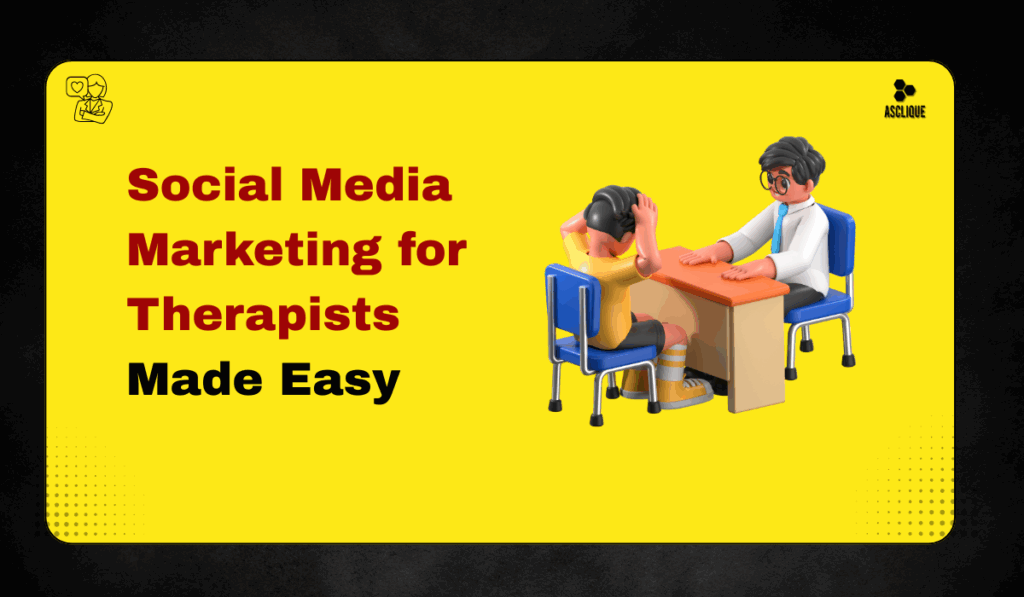
In today’s digital-first world, social media marketing for therapists is no longer optional—it’s essential. Clients are increasingly searching for professionals online, and social media provides the perfect space to build trust, showcase expertise, and attract new clients. With the right strategies, therapists can strengthen their brand presence, engage with their audience, and create meaningful connections that translate into long-term growth.
This guide explores effective strategies therapists can use to grow their practice online while maintaining professionalism and building genuine client relationships.
Why Social Media Marketing Matters for Therapists
Social media isn’t just for influencers and brands—it’s also a powerful tool for therapists to establish credibility and expand reach. Many people prefer to research mental health professionals online before making a decision. A strong presence on platforms like Instagram, LinkedIn, or Facebook helps therapists share their voice, normalize therapy, and connect with potential clients.
Social media marketing allows therapists to share educational content, reduce stigma around therapy, and highlight services in a way that builds trust. This digital visibility not only generates inquiries but also positions therapists as approachable and knowledgeable professionals.
Choosing the Right Platforms for Therapists
Not all social media platforms are equally effective for therapists. Choosing the right platforms ensures that efforts are targeted and efficient.
- Instagram is great for visual and bite-sized mental health tips, inspirational posts, and reels.
- Facebook allows community building through groups and local targeting.
- LinkedIn works best for professional networking and B2B opportunities, such as collaborations with wellness coaches or corporate wellness programs.
- YouTube can help therapists share longer, educational videos, establishing thought leadership.
By focusing on the platforms where their ideal clients spend time, therapists can maximize their reach and engagement.
Creating a Professional and Authentic Brand
Your brand as a therapist is more than just a logo—it’s the voice, tone, and personality you showcase online. Social media marketing for therapists should reflect empathy, professionalism, and authenticity. Clients look for trustworthiness, so being transparent and genuine helps build long-term relationships.
This includes having consistent visuals, a calming color palette, and a message that resonates with your practice’s values. By sharing your journey, client success stories (anonymously and ethically), and relatable advice, you create a safe online environment that encourages people to reach out.
Content Ideas to Engage and Educate
Content is the backbone of social media. Therapists can use different types of content to engage their audience while staying within ethical guidelines.
- Educational Posts: Share short tips on managing stress, anxiety, or self-care routines.
- Videos & Reels: Break down common misconceptions about therapy in under a minute.
- Quotes & Affirmations: Inspire positivity and resilience.
- Behind-the-Scenes: Show your workspace or introduce yourself to humanize your practice.
- Client FAQs: Address common questions potential clients may have about therapy.
By offering value-driven content, therapists can establish authority while encouraging people to see therapy as approachable and helpful.
Leveraging Influencer and Community Engagement
Collaboration is another effective way to grow. Partnering with wellness influencers, local coaches, or community organizations can expand your reach and credibility.
For example, joining mental health awareness campaigns or collaborating with yoga instructors can introduce your services to a broader audience. Engaging with followers through comments, Q&A sessions, and live streams also builds stronger connections. This interactive element creates a sense of trust and positions you as an accessible professional who values dialogue.
Using Paid Ads Effectively
Organic reach is powerful, but sometimes paid advertising helps therapists reach the right audience faster. Facebook and Instagram ads allow precise targeting based on location, age, and interests, making it easier to connect with individuals who may benefit from therapy.
Paid ads can highlight free consultations, special workshops, or mental health awareness events. Since ads require investment, starting small and tracking performance ensures that money is spent wisely. Over time, ads can become a reliable tool for consistently bringing in new inquiries.
Building Trust with Client Stories and Testimonials
Testimonials and success stories (shared ethically and with consent) are powerful trust-builders. They demonstrate real results and help potential clients feel more confident about reaching out.
Instead of only stating services, therapists can highlight how therapy has made a difference in someone’s life. For example, sharing a case study (with anonymity maintained) or featuring a client’s testimonial quote can have a profound impact. Social media marketing for therapists becomes more credible when backed by authentic stories of growth and healing.
Balancing Professional Boundaries Online
While social media is an excellent platform for visibility, therapists must maintain professional boundaries. It’s important not to overshare personal details or engage in direct therapy sessions online. Instead, focus on offering general advice, encouragement, and awareness without crossing ethical lines.
Clear disclaimers—such as “This content is for educational purposes only and does not replace professional therapy”—help maintain professionalism. By balancing openness with boundaries, therapists can provide value while protecting both their practice and their clients.
Measuring Success with Analytics
Social media success isn’t just about posting consistently—it’s about tracking what works. Analytics tools on Instagram, Facebook, and LinkedIn allow therapists to measure engagement, reach, and conversions.
By analyzing which posts perform best, therapists can refine their strategy to focus on content that resonates most. For example, if reels on stress management gain higher engagement, creating more video content may be the best way forward. Regularly reviewing performance ensures continuous growth and avoids wasted effort.
Building a Long-Term Strategy
Social media growth doesn’t happen overnight. Therapists need a long-term approach that prioritizes consistency, quality content, and engagement. Setting realistic goals—such as growing followers, increasing inquiries, or boosting engagement—helps track progress.
Consistency in posting, responding to comments, and evolving with trends is what sustains results. A planned content calendar ensures a balanced mix of posts, while ongoing learning keeps strategies fresh and effective. Over time, this builds not only a larger audience but also a loyal, engaged community.
Final Thoughts
Social media marketing for therapists is more than a promotional tool—it’s a way to connect with people who need guidance, support, and encouragement. By choosing the right platforms, creating valuable content, maintaining professional boundaries, and building trust, therapists can grow their practice online in a meaningful way.
When done with authenticity and strategy, social media becomes an extension of a therapist’s mission: helping people live healthier, more fulfilling lives. With consistent effort, therapists can expand their reach, attract the right clients, and establish a long-lasting digital presence that supports their professional growth.
FAQs
Why is social media marketing important for therapists?
Social media marketing allows therapists to connect with a wider audience, share valuable mental health resources, and build trust with potential clients. It helps therapists increase visibility, reduce the stigma around therapy, and attract more clients to their practice.
Which social media platforms work best for therapists?
The best platforms depend on the therapist’s audience. Instagram and Facebook are ideal for engaging content and community building, while LinkedIn works well for professional networking. YouTube is effective for in-depth, educational videos that establish expertise.
What type of content should therapists post on social media?
Therapists should focus on educational and supportive content such as mental health tips, motivational quotes, FAQs, short videos, and awareness campaigns. Sharing behind-the-scenes glimpses and client success stories (anonymously and ethically) also helps build authenticity.
How can therapists maintain professional boundaries on social media?
Therapists must avoid giving direct therapeutic advice online. Instead, they can share general guidance, resources, and awareness posts while including disclaimers that content is for educational purposes only. Maintaining clear boundaries ensures professionalism and client safety.
Can paid ads benefit therapists on social media?
Yes, paid ads help therapists reach a targeted audience quickly. Platforms like Facebook and Instagram allow location-based and interest-based targeting, which helps therapists attract clients who are most likely to need their services. Ads should focus on awareness, consultations, or workshops.