
In 2026, marketing is no longer about just posting on social media or running ads. It’s about working smarter, faster, and more strategically—and that’s only possible with the right marketing technology stack.
If you’re a business owner, marketer, or entrepreneur, you’ve probably heard this term before. But what does it really mean? And why does every modern business need one?
Let’s break it down in simple language.
What Is a Marketing Technology Stack?
A marketing technology stack (or MarTech stack) is a collection of digital tools and software that help you:
- Attract customers
- Engage with them
- Convert them into buyers
- Keep them loyal to your brand
Instead of doing everything manually, your tech stack automates tasks, tracks data, and improves results—so you can focus on growth instead of guesswork.
Think of it like this:
Your marketing stack is your digital marketing team that works 24/7.
Why Marketing Technology Matters More in 2026
In 2026, customers expect:
- Faster responses
- Personalized experiences
- Consistent communication
- Seamless online journeys
At the same time, competition is tougher than ever. Businesses that still rely on old-school methods struggle to keep up.
Here’s what a strong MarTech stack helps you do:
- Save time with automation
- Make smarter decisions using data
- Improve customer experience
- Increase sales without increasing workload
- Scale your business faster
In short: technology is no longer optional—it’s essential.
The Core Parts of a Modern Marketing Technology Stack
A complete marketing stack usually includes tools from different categories. Let’s look at the most important ones every business needs in 2026.
Customer Relationship Management (CRM)
Your business memory
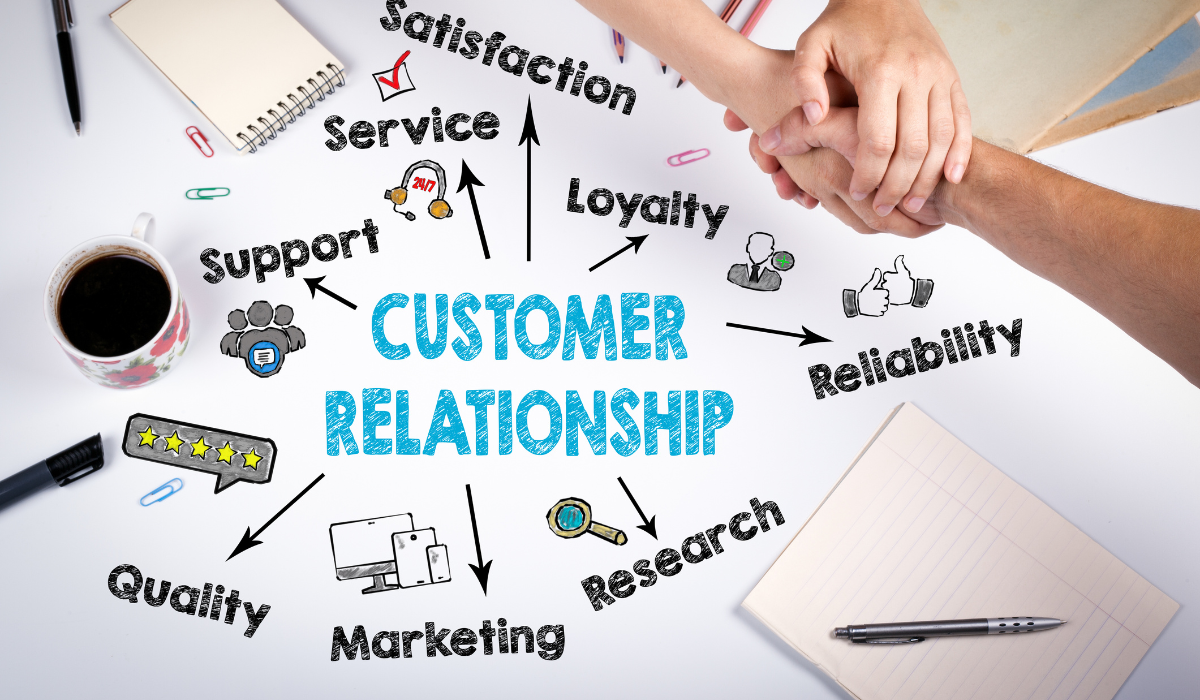
A CRM tool stores all customer information in one place—names, emails, purchases, conversations, and preferences.
Why it matters:
- You understand your customers better
- Your sales and marketing teams stay aligned
- No lead gets lost
- Follow-ups become easy
Popular examples: HubSpot, Zoho CRM, Salesforce
In 2026, smart CRMs use AI to predict which leads are most likely to buy—saving time and boosting results.
Marketing Automation Tools
Your 24/7 assistant
Automation tools handle repetitive tasks like
- Sending emails
- Posting content
- Nurturing leads
- Scheduling campaigns
Instead of doing everything manually, automation helps you stay consistent without burning out.
Benefits:
- Better time management
- Faster response to leads
- Higher engagement
- More conversions
Popular examples: ActiveCampaign, Mailchimp, Brevo
In 2026, automation isn’t just about emails—it connects with ads, chatbots, and even voice assistants.
Content Management Systems (CMS)
Your online home base
Your website is the center of your marketing. A CMS helps you manage it without needing technical skills.
What it helps with:
- Publishing blogs
- Updating landing pages
- Adding new products or services
- Improving SEO
Popular examples: WordPress, Webflow, Shopify
Modern CMS platforms in 2026 are faster, more secure, and optimized for mobile-first experiences—because that’s where your audience is.
Social Media Management Tools

Your brand’s daily voice
Social media is still one of the strongest marketing channels—but managing it manually is exhausting.
These tools help you:
- Schedule posts
- Reply to messages
- Track engagement
- Monitor brand mentions
Popular examples: Hootsuite, Buffer, Sprout Social
In 2026, these platforms use AI-powered insights to suggest the best posting times, captions, and even hashtags.
Analytics & Data Tools
Your decision-maker
Marketing without data is like driving with your eyes closed.
Analytics tools show you:
- Where your traffic comes from
- Which campaigns work best
- What customers click on
- Where you’re losing sales
Popular examples: Google Analytics 4, Hotjar, Mixpanel
In 2026, data tools are smarter and simpler—turning complex numbers into clear action steps you can actually use.
Advertising & Performance Tools
Your growth engine
Paid marketing is still a powerful way to scale—but only if you track and optimize properly.
These tools help you:
- Manage ad campaigns
- Track conversions
- Control budgets
- Improve ROI
Popular examples: Meta Ads Manager, Google Ads, TikTok Ads
With AI in 2026, ads are more personalized than ever—showing the right message to the right person at the right time.
Customer Experience & Support Tools
Your relationship builder
Customers don’t just remember your product—they remember how you treated them.
Support tools include:
- Live chat
- Chatbots
- Help desks
- Feedback systems
Popular examples: Zendesk, Freshdesk, Intercom
In 2026, AI-powered chatbots handle basic questions instantly—while your team focuses on high-value conversations.
The Role of AI in the 2026 Marketing Stack

Artificial Intelligence is no longer futuristic—it’s everyday business.
In 2026, AI helps with:
- Writing content
- Designing creatives
- Predicting customer behavior
- Optimizing ad spend
- Personalizing email campaigns
- Recommending next best actions
Instead of replacing marketers, AI amplifies their impact—making small teams perform like large ones.
How to Build the Right Marketing Technology Stack
You don’t need every tool on the market. You need the right tools for your goals.
Here’s a simple way to build your stack:
Step 1: Define Your Goals
Ask yourself:
- Do I want more leads?
- More sales?
- Better brand awareness?
- Stronger customer retention?
Your goals decide your tools.
Step 2: Start with the Essentials
Begin with:
- A CRM
- An email/automation tool
- A website CMS
- Basic analytics
These form your foundation.
Step 3: Add as You Grow
As your business scales, you can add:
- Advanced automation
- Ad optimization tools
- AI-powered insights
- Customer experience platforms
Grow your stack with your business, not before it.
Common Mistakes to Avoid
Many businesses invest in technology—but still fail to see results. Why?
Here are mistakes to avoid in 2026:
- Buying too many tools at once
- Not training your team
- Using tools that don’t integrate
- Ignoring data insights
- Choosing features over usability
Remember:
A simple stack used well beats a complex stack used poorly.
Small Business vs. Big Business: Same Need, Different Scale

Whether you’re a startup or a large enterprise, you still need a marketing technology stack. The only difference is scale.
Small businesses:
- Use fewer tools
- Focus on automation to save time
- Choose budget-friendly platforms
Large businesses:
- Use advanced analytics
- Integrate multiple systems
- Focus on personalization at scale
But the goal is the same:
better marketing with less effort and more impact.
What the Future Holds for Marketing Technology
Looking ahead, marketing technology in 2026 and beyond will focus on:
- More automation, less manual work
- More personalization, less mass marketing
- More insights, less guessing
- More integration, fewer disconnected tools
The businesses that win won’t be the ones with the biggest budgets—but the ones who use technology strategically.
Final Thoughts
A marketing technology stack is no longer a “nice to have.”
In 2026, it’s a must-have for every modern business.
It helps you:
- Work smarter
- Save time
- Understand customers better
- Grow faster
- Compete confidently
You don’t need the most expensive tools.
You need the right tools, aligned with your goals, used consistently.
Because in today’s digital world,
the businesses that master technology are the businesses that lead the market.
FAQ’s
Do small businesses really need a marketing technology stack?
Yes, small businesses need it even more because it saves time and money. With automation and smart tools, small teams can compete with bigger brands by managing leads, campaigns, and customer communication more efficiently.
How much does it cost to build a marketing technology stack?
The cost depends on your business size and goals. Many tools offer free or low-cost plans for beginners, while advanced platforms cost more. The best approach is to start small and invest gradually as your marketing needs grow.
Can a business work without a marketing technology stack in 2026?
Technically yes, but it becomes very difficult to compete. Without the right tools, businesses waste time on manual work, miss valuable customer insights, and struggle to scale. In today’s fast digital world, technology gives a strong competitive advantage.
How does AI improve a marketing technology stack?
AI helps businesses automate tasks, analyze customer behavior, personalize content, and optimize ads. It reduces guesswork by giving smart recommendations, helping marketers focus on strategy while technology handles routine and data-heavy work.
What is the biggest benefit of using a marketing technology stack?
The biggest benefit is efficiency. A good stack saves time, reduces errors, improves customer experience, and increases sales opportunities. It allows businesses to do more with fewer resources and make smarter decisions using real-time data.
How often should a business update its marketing tools?
Businesses should review their tools at least once a year. As marketing trends and customer behavior change, updating or upgrading tools ensures better performance, security, and integration with new platforms and technologies.