
In 2026, digital marketing is no longer about running ads or posting content blindly. Businesses want real results—leads, sales, sign-ups, and revenue. This is where conversion tracking tools play a major role.
Conversion tracking tools help marketers understand what users do after clicking an ad, visiting a website, or interacting with content. They show which campaigns are working and which are wasting money. Without tracking conversions, marketing decisions become guesswork.
In this article, you will learn what conversion tracking tools are, why they matter, their benefits, the best tools to use in 2026, common mistakes to avoid, and how agencies like Asclique help businesses set up proper tracking.
What Are Conversion Tracking Tools?
Conversion tracking tools are software or platforms that track specific actions taken by users on a website or app. These actions are called conversions.
A conversion can be:
- Filling out a contact form
- Making a purchase
- Signing up for a newsletter
- Downloading an ebook
- Clicking a call or WhatsApp button
These tools collect data and show how users move from the first interaction to the final action.
How Conversion Tracking Works
Conversion tracking works by placing a small piece of code (called a tag or pixel) on your website or landing page.
Here’s a simple flow:
- A user clicks on an ad, email link, or social post
- The user visits your website
- The user completes a desired action (conversion)
- The tracking tool records this action
- Data appears in reports and dashboards
This process helps marketers know exactly which channel, ad, or keyword caused the conversion.
Why Conversion Tracking Is Important
Conversion tracking is important because it shows real performance, not just traffic numbers.
Without conversion tracking:
- You don’t know which ads bring sales
- You can’t calculate return on investment (ROI)
- You may spend money on low-performing campaigns
With proper tracking:
- You understand customer behavior
- You improve campaign performance
- You make data-driven decisions
Benefits of Using Conversion Tracking Tools
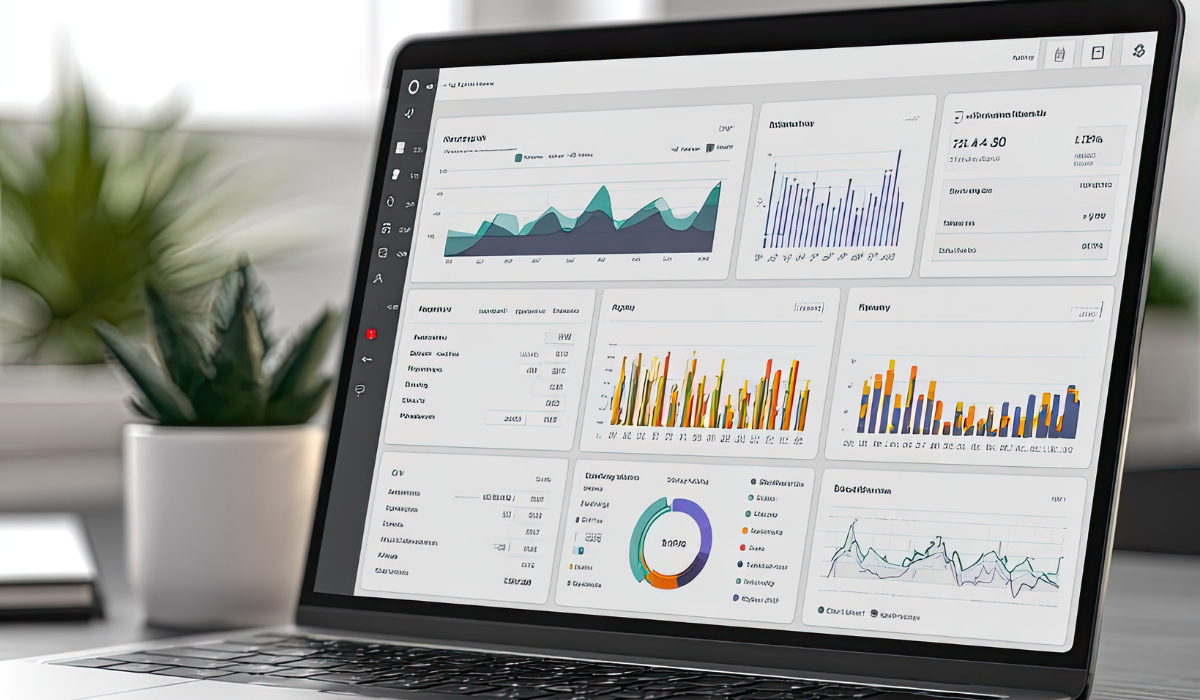
Using the right conversion tracking tools can completely change how marketing campaigns perform.
Better Campaign Optimization
When you track conversions, you can see:
- Which ads perform best
- Which keywords convert more
- Which landing pages work well
This allows marketers to pause low-performing campaigns and invest more budget in high-performing ones. Over time, this leads to better results with the same budget.
Improved ROI Measurement
Conversion tracking tools help calculate ROI by comparing:
- Money spent on marketing
- Revenue or leads generated
This makes it easier to justify marketing costs and show clear value to business owners or stakeholders.
Accurate User Behavior Insights
These tools display how visitors engage with your website:
- Pages they visit
- Time spent on each page
- Where they drop off
This information helps improve website design, content, and user experience.
Best Conversion Tracking Tools in 2026
There are many tools available, but not all are suitable for every business. Below are some of the best conversion tracking tools used by marketers and agencies in 2026.
Google Analytics 4 (GA4)
Google Analytics 4 is one of the most powerful and widely used tracking tools.
Key features:
- Tracks events and conversions
- Works across websites and apps
- Provides detailed user journey insights
- Privacy-focused and future-ready
GA4 is ideal for businesses that want deep analytics and long-term data tracking.
Google Tag Manager
Google Tag Manager (GTM) is not a tracking tool itself but helps manage tracking codes easily.
Why GTM is important:
- No need to edit website code repeatedly
- Easy setup for pixels and tags
- Works with GA4, Google Ads, Meta Pixel, and more
Most professional marketers use GTM to manage all conversion tracking in one place.
Meta Pixel (Facebook Pixel)
Meta Pixel tracks conversions from Facebook and Instagram ads.
Benefits:
- Tracks purchases, leads, and page views
- Helps optimize ads for better conversions
- Supports retargeting campaigns
If your business runs social media ads, Meta Pixel is essential.
Google Ads Conversion Tracking
This tool tracks conversions from Google Ads campaigns.
What it helps with:
- Keyword performance analysis
- Smart bidding optimization
- Accurate cost-per-conversion data
It is highly recommended for businesses running search, display, or YouTube ads.
HubSpot Analytics
HubSpot Analytics is a great option for businesses using HubSpot CRM.
Key advantages:
- Tracks leads across the full sales funnel
- Combines marketing and sales data
- Ideal for B2B businesses
It helps connect marketing efforts directly with revenue.
Hotjar
Hotjar focuses on user behavior rather than direct conversions.
What Hotjar offers:
- Heatmaps
- Session recordings
- User feedback
It helps understand why users convert or leave without converting.
How to Choose the Right Conversion Tracking Tool
Not every tool fits every business. Your needs will determine which one is best for you.
Based on Business Size
- Small businesses: GA4, Google Ads tracking, Meta Pixel
- Medium businesses: GA4 + GTM + Hotjar
- Large businesses: GA4, HubSpot, CRM-based tracking
Based on Marketing Goals
- Lead generation → GA4 + form tracking
- E-commerce sales → GA4 + Google Ads + Meta Pixel
- Brand awareness → Engagement and event tracking
Budget Considerations
- Free tools: GA4, GTM, Google Ads tracking
- Paid tools: HubSpot, Hotjar premium plans
Start with free tools and upgrade as your business grows.
Common Conversion Tracking Mistakes to Avoid

Many businesses install tracking tools but still get poor data due to mistakes.
Some common errors include:
- Tracking wrong events
- Missing conversion setup
- Duplicate tracking codes
- Not testing conversions
- Ignoring data analysis
Avoid these mistakes by regularly checking reports and testing conversion actions.
How Asclique Helps with Conversion Tracking
Asclique is a digital marketing agency that focuses on performance and results. Conversion tracking is a key part of every campaign.
Custom Tracking Setup
Asclique sets up:
- GA4 with correct events
- Google Tag Manager implementation
- Google Ads and Meta conversion tracking
Each setup is customized based on business goals.
Performance Optimization & Reporting
Asclique doesn’t just track data—it uses data to:
- Improve campaign performance
- Reduce wasted ad spend
- Increase conversions and ROI
Clear reports help businesses understand results without confusion.
Conclusion
In 2026, marketing success depends on data, not guesses. Conversion tracking tools help businesses understand what works, what doesn’t, and where to invest their budget.
From GA4 and Google Tag Manager to Meta Pixel and HubSpot Analytics, each tool plays an important role in tracking and improving performance. When used correctly, these tools help increase conversions, improve ROI, and grow businesses faster.
If you want accurate tracking, better insights, and real results, working with a professional agency like Asclique can make all the difference
FAQ’s
How do AI-powered conversion tracking tools work?
AI-powered conversion tracking tools analyze large datasets to identify patterns in user behavior. They use machine learning to attribute conversions accurately, predict future performance, and recommend optimizations, helping marketers make smarter decisions and improve campaign effectiveness in 2026.
Can small businesses benefit from conversion tracking tools?
Yes, small businesses can significantly benefit from conversion tracking tools. These tools help identify profitable channels, optimize limited budgets, and improve customer targeting, allowing small teams to compete more effectively with larger brands in digital marketing.
What features should you look for in conversion tracking tools?
Key features include multi-channel tracking, real-time reporting, AI-driven attribution, CRM integration, privacy compliance, and customizable dashboards. These capabilities help marketers gain accurate insights, optimize campaigns faster, and align marketing performance with business goals.
Do conversion tracking tools support omnichannel marketing?
Most modern conversion tracking tools support omnichannel marketing by tracking user interactions across websites, mobile apps, email, social media, and offline touchpoints. This unified view helps marketers understand the complete customer journey and improve cross-channel performance.
How often should conversion tracking data be analyzed?
Conversion tracking data should be analyzed regularly—daily or weekly for active campaigns and monthly for strategic reviews. Frequent analysis allows marketers to identify trends early, adjust campaigns quickly, and continuously improve marketing performance throughout 2026.