Creating good content is important, but creating content alone is not enough anymore. In 2026, the internet is crowded. Millions of blogs, videos, posts, and emails are published every day. If your content does not reach the right people, all your hard work goes to waste.
This is where a content distribution strategy becomes important. Content distribution means how and where you share your content so more people can see it, read it, and take action.
In this article, you will learn what content distribution is, why it matters in 2026, and how you can build a smart strategy to get more reach without using complex marketing terms.
What Is a Content Distribution Strategy?
A content distribution strategy is a clear plan that explains how you will share your content with your target audience. It focuses on choosing the right platforms, the right timing, and the right format to spread your content.
Instead of posting content randomly, you follow a system that helps your content reach people who are actually interested in it.
In simple words, content distribution answers three questions:
Where should I share my content?
Who should see my content?
How often should I share it?
When you answer these questions properly, your content performs better.
Why Content Distribution Is Important in 2026
In 2026, online competition is higher than ever. Search engines, social media platforms, and audiences are smarter. They want useful, clear, and relevant content.
Even the best article or video will not perform well if it is not distributed properly. A strong distribution strategy helps you save time, money, and effort.
Here are some reasons why content distribution matters more than ever:
- Social media algorithms favor consistent and relevant content
- Search engines reward content that gets engagement
- Users trust brands they see often across platforms
- Paid ads are expensive, so organic reach matters
Without a strategy, content visibility becomes slow and unpredictable.
Types of Content Distribution Channels
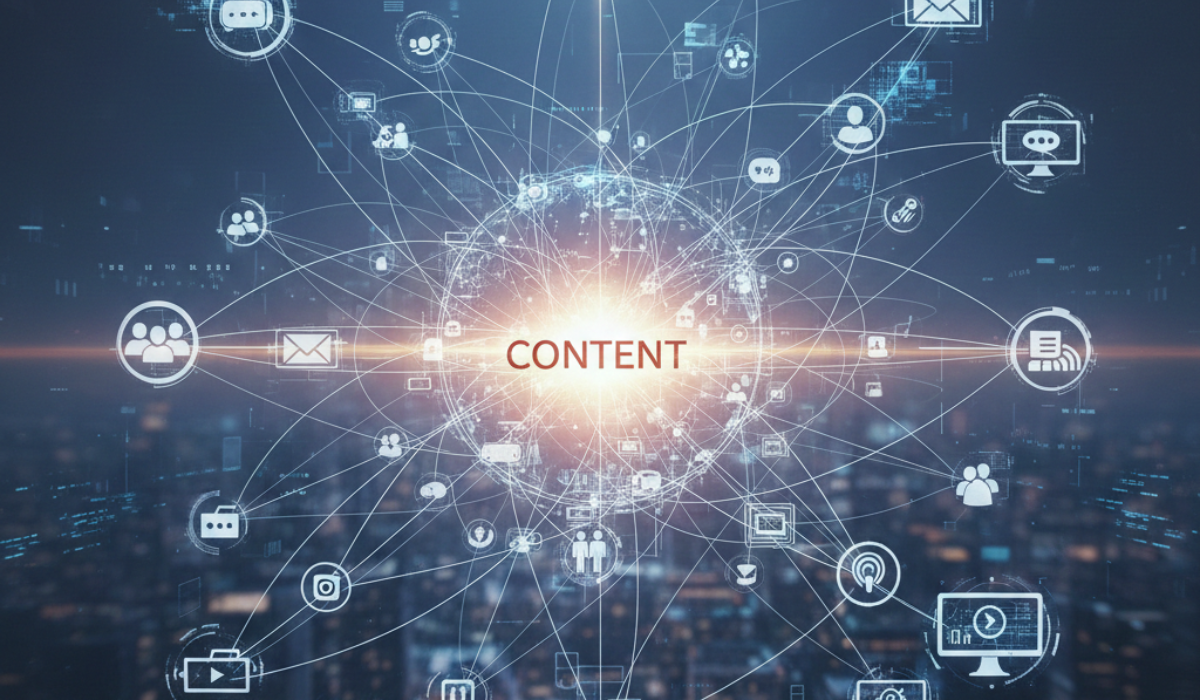
Platforms for sharing your material are known as content distribution channels. In 2026, these channels are divided into three main types.
Owned Media Channels
Owned media means platforms you fully control. These are long-term assets and cost less in the long run.
Examples include your website, blog, email list, and mobile app. These channels help build trust and authority over time.
Your website should always be the main hub where all content leads back.
Earned Media Channels
Earned media is when others share or mention your content without direct payment. This includes backlinks, social shares, reviews, and mentions.
This type of distribution builds credibility but takes time and consistent quality content.
Paid Media Channels
Paid media involves spending money to promote your content. Examples include Google Ads, social media ads, and sponsored posts.
Paid distribution helps you reach new audiences quickly, especially for new brands or product launches.
Understanding Your Target Audience
Before distributing content, you must understand who your audience is. In 2026, generic content no longer works. People expect content that matches their needs.
You should know your audience’s age, interests, problems, and preferred platforms. For example, young users may prefer short videos, while professionals may prefer blogs or emails.
When you understand your audience, your content feels personal and useful.
Choosing the Right Content Formats
Different platforms support different content formats. Using the right format increases reach and engagement.
Blogs are great for SEO and long-term traffic.
Videos perform well on social media and YouTube.
Short posts work well for quick updates and brand awareness.
Emails help in direct communication and repeat visits.
In 2026, content repurposing is very important. One blog can be turned into a video, social posts, email tips, and short clips.
This saves time and increases visibility.
Content Distribution for Search Engines
Search engines are still one of the biggest traffic sources in 2026. To distribute content through search, your content must be optimized properly.
Use simple keywords that users actually search for. Write clear headings, short paragraphs, and helpful content.
Internal linking also helps search engines understand your content better and improves user experience.
Search engine distribution works slowly but provides long-term results.
Social Media Content Distribution Strategy
Social media platforms are powerful distribution channels when used correctly. Each platform works differently, so posting the same content everywhere does not always work.
Consistency is more important than frequency. Posting regularly helps platforms trust your account.
Engaging with comments, messages, and shares also improves reach. Social platforms favor content that creates conversations.
In 2026, authenticity matters more than perfection. Simple, honest content performs better than over-edited posts.
Email Marketing as a Distribution Tool
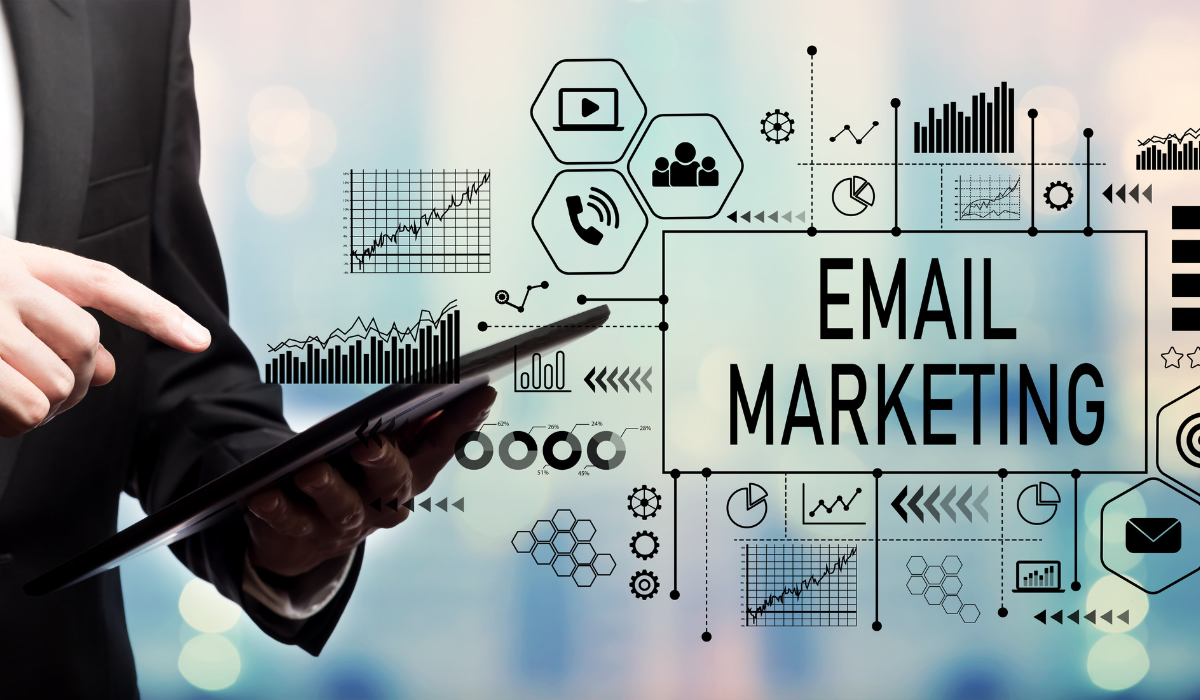
Email marketing is still one of the most effective content distribution methods. It gives direct access to your audience without algorithm limits.
Sharing blogs, guides, updates, and offers through email builds long-term relationships.
Short and clear emails perform better than long promotional messages.
Emails help bring users back to your website and increase repeat traffic.
Role of Influencers and Collaborations
Collaborations help you reach new audiences faster. Working with bloggers, creators, or businesses in your niche increases visibility and trust.
In 2026, micro-influencers are more effective than large influencers because their audience is more engaged.
Focus on partnerships that match your brand values and audience.
Using Data to Improve Distribution
Tracking performance is important to improve results. You may learn what works and what doesn’t with the use of analytics.
You should monitor traffic, engagement, and conversions regularly.
When you know which platform performs best, you can focus more on it instead of spreading effort everywhere.
Data helps you make better decisions and save time.
Common Content Distribution Mistakes to Avoid
Many people create content but fail to distribute it properly. One common mistake is relying on only one platform.
Another mistake is posting without a clear goal. Every piece of content should have a purpose, such as traffic, leads, or awareness.
Ignoring audience feedback is also harmful. Feedback helps improve content quality.
Building a Simple Content Distribution Plan
A good content distribution plan does not need to be complicated. Start with clear goals, choose a few platforms, and stay consistent.
Focus on quality instead of quantity. One well-distributed piece of content performs better than many poorly shared ones.
Over time, refine your strategy based on results.
Content Distribution Trends in 2026
In 2026, personalization is a major trend. Users expect content tailored to their interests.
Short-form content continues to grow, but long-form content still matters for authority and SEO.
AI tools help with scheduling and analysis, but human creativity and trust remain key.
Brands that focus on value, honesty, and consistency win in the long run.
Final Thoughts
A strong content distribution strategy helps your content reach the right people at the right time. In 2026, success is not about creating more content but distributing it smarter.
By understanding your audience, choosing the right channels, and staying consistent, you can increase reach without increasing workload.
Content distribution is not a one-time task. It is an ongoing process that improves with time, effort, and learning.
FAQ’s
What are the main types of content distribution channels?
The main types of content distribution channels are owned media, earned media, and paid media. Owned media includes websites and emails, earned media includes shares and backlinks, and paid media includes ads and sponsored promotions to reach a wider audience.
Which platforms are best for content distribution in 2026?
The best platforms for content distribution in 2026 depend on your audience. Popular options include search engines, social media platforms, email newsletters, online communities, and video platforms. Choosing platforms where your audience is active helps improve reach and engagement.
How does SEO help in content distribution?
SEO helps content distribution by improving your content’s visibility on search engines. When your content ranks well, it attracts organic traffic over time. Using relevant keywords, clear headings, and helpful information makes it easier for users to find your content.
Is social media still effective for content distribution?
Yes, social media is still effective for content distribution in 2026. It helps increase brand awareness, engagement, and traffic when used correctly. Posting valuable content consistently and interacting with users improves reach and builds trust with your audience.
How can email marketing support content distribution?
Email marketing supports content distribution by allowing direct communication with your audience. It helps share new content, bring repeat visitors to your website, and build long-term relationships. Email remains effective because it is personal, targeted, and not affected by algorithms.
What is content repurposing and why is it important?
Content repurposing means using one piece of content in different formats across platforms. It is important because it saves time, increases reach, and ensures consistent messaging. For example, a blog can become social posts, videos, or email content.
What common mistakes should be avoided in content distribution?
Common content distribution mistakes include relying on only one platform, ignoring SEO, posting without a plan, and not tracking results. Avoiding these mistakes helps improve visibility, saves effort, and ensures your content reaches the right audience consistently.
How can businesses improve content distribution results?
Businesses can improve content distribution results by understanding their audience, choosing the right platforms, using SEO, tracking performance, and staying consistent. Reviewing data regularly and updating strategies based on results helps achieve better reach and long-term growth.