
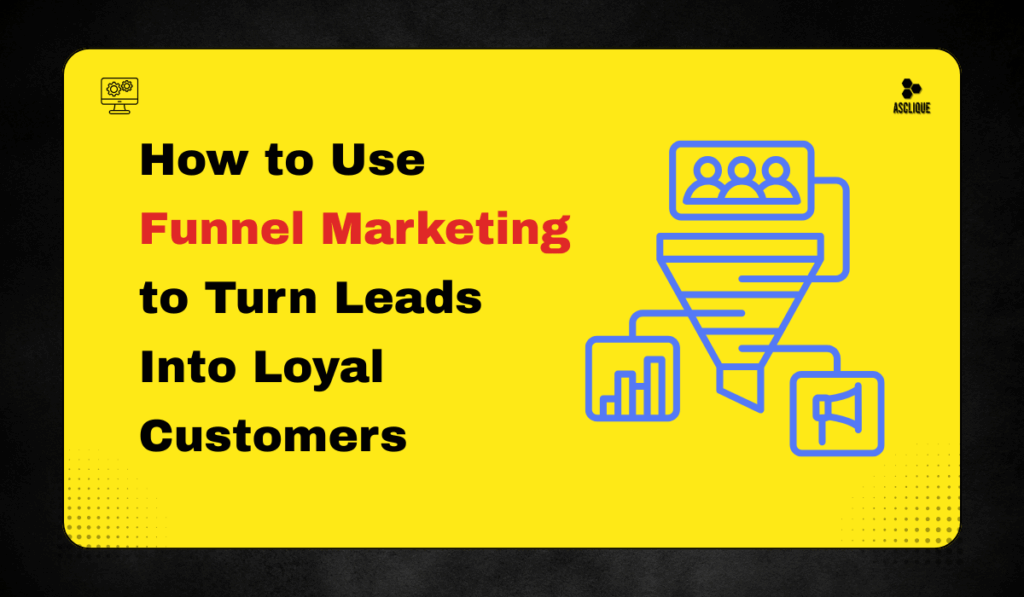
In today’s fast-paced online era, turning leads into loyal clients is more challenging than ever. But there’s a secret weapon businesses are using to win: the digital marketing funnel. If you know how it works and apply it right, you may guide your potential clients smoothly from their first interaction to becoming an honest buyer. Let’s break it down.
What Is a Digital Marketing Funnel?
A digital marketing funnel is like a roadmap for your clients. It shows the path someone takes from first hearing about your brand to making a buy and even beyond that. Think of it as guiding someone through a store. You catch their attention, show them what they need, assits them make a choice, and finally make them feel good about their decision.
The funnel usually has three main stages:
- Top of the Funnel (TOFU) – Awareness
- Middle of the Funnel (MOFU) – Consideration
- Bottom of the Funnel (BOFU) – Conversion
Some marketers include a fourth stage for retention and loyalty too. Each stage has different objectives and strategies.
Top of the Funnel: Grab Attention
At the top of the funnel, individulas don’t know much about your business. Your job here is to get noticed. You want individuals to say, “Hey, I want to know more.”
How to do it:
- Use social media platforms for posts and videos
- Make blog content that answers all common questions
- Run ads that target your audience fast
- Offer free resources to people such as eBooks or guides
The aim is simple: get more people to know about your brand. Don’t sell yet. Just give value and spark interest.
Middle of the Funnel: Build Interest and Trust
Once someone notices your brand, the next step is to nurture them. This is where you build trust. You want your leads to see your brand as helpful and reliable.
Strategies for MOFU:
- Email newsletters with tips and updates
- Case studies or reviews
- Webinars and free workshops
- Product comparison guides
Here, you are not pushing for a sale. You’re helping people make informed choices. If you do this right, leads start considering your brand seriously.
Bottom of the Funnel: Drive Conversions
Now comes the importent part: turning leads into customers. Individuals at the bottom of the funnel are ready to purchase. They just need a little nudge.
Effective tactics:
- Personalized offers and discounts
- Free trials or demos
- Detailed product pages and reviews
- Simple and easy checkout process
At this stage, every title detail counts. Make buying smooth, quick, and reassuring. A happy buy can start a long-term relationship.
Retention: Keep Customers Coming Back
The funnel doesn’t end after the first sale. Trustworthy customers are diamonds. They purchase more, refer friends, and support your business.
Ways to keep customers happy:
- Send thank-you emails and follow-ups
- Offer loyalty programs or reward points
- Provide best customer service
- Ask for feedback and act on it
When you treat customers well, they not only come back but also bring other people with them.
How Funnel Marketing Helps Your Business
Using a digital marketing funnel gives you a clear roadmap. It helps you understand what your customers need at each stage. You will know:
- Where your leads come from
- How to engage them
- When to make your offers
- How to keep them loyal
Funnel marketing also boots your marketing efficiency. You don’t waste time on individuals who aren’t ready. You focus your efforts where it matters most.
Tips to Optimize Your Digital Marketing Funnel
- Understand your audience – Know what they want and where they spend time online.
- Create valuable content – Every stage of the funnel needs the right message.
- Use automation tools – Email sequences and social media scheduling save time.
- Track metrics – Measure clicks, conversions, and customer behavior.
- Test and tweak – Always try new approaches and enhance.
A well-optimized funnel can increaes sales, save money, and grow your loyal clients base.
Common Mistakes to Avoid
- Skipping stages – Don’t push for a sale too early.
- Ignoring retention – Most businesses focus only on new leads.
- Using complicated language – Keep messages easy and clear.
- Not tracking results – If you can’t measure it, you can’t boost it.
Don’t forget, a funnel works best when you guide people step by step.
FAQs
- What is the difference between a funnel and a client’s journey?
A funnel focuses on moving leads through stages toward a sale. The client’s journey looks at the whole experience, including post-purchase interactions. - How long does it take for a funnel to work?
It depends on your industry and users. Some leads convert fast , while others need weeks or months of nurturing. - Can small businesses benefit from funnel marketing?
Yes! Funnels assist even small brands save time, target the right audience, and boost sales. - What tools can help with funnel marketing?
Famous tools include email marketing platforms (like Mailchimp), landing page builders, CRM systems, and analytics tools. - How do I understand if my funnel is working?
Track metrics like click-through rates, conversion rates, and customer retention. If numbers increase over time, your funnel is effective.
Final Thoughts
A digital marketing funnel is not just a buzzword — it’s a powerful lead generation funnel that helps you turn curious visitors into honest clients. By understanding your audience, providing real value, and guiding them through each stage, you may build powerful, lasting relationships that drive brand growth.
Start small, focus on value, and adjust your strategy as you learn what works. With the right lead generation funnel, your leads won’t just buy once — they’ll keep coming back for more.