

Brand awareness is one of the most important goals for any business. It’s the first step in getting people to know, trust, and choose your brand over others. But how do you know if people are truly aware of your brand? And more importantly, how can you measure and improve it?
Let’s find out step-by-step in simple terms.
What Is Brand Awareness?
Brand awareness is how well people know your brand. It’s about how easily customers can recognise your logo, remember your name, or associate your brand with a particular product or feeling.
For example:
- When you think of sports shoes, you might think of Nike.
- When you think of cold drinks, Coca-Cola might come to mind.
Brand awareness in action is the instant recognition that connects a name or logo with an idea, emotion, or need.
Strong brand awareness helps people choose your product over competitors because they feel more familiar and comfortable with your brand.
Why Measuring Brand Awareness Matters
You can’t improve what you don’t measure. Measuring brand awareness helps you understand:
- How many people know your brand
- What they think about it
- Where are they hearing about it
- How are your marketing efforts performing
If your brand awareness is low, people may not even consider your product when making a purchase. But if it’s high, customers will recognize your brand and recommend it to others.
In short, measuring brand awareness helps you find out if your marketing is working — and where you need to make changes.
Key Ways to Measure Brand Awareness
There are several ways to measure brand awareness. Some are quantitative (numbers and data), while others are qualitative (opinions and feelings). Let’s go through the most effective methods.
Website Traffic
One of the easiest ways to measure brand awareness is by checking your website traffic.
Use tools like Google Analytics to see:
- How many people visit your website
- Where they come from (Google search, social media, direct link, etc.)
- How long do they stay on your site
- What pages do they visit most
If you notice more people coming to your site over time, it’s a sign that brand awareness is growing.
Tip: A high number of “direct” visitors (people typing your website URL directly) usually means they already know your brand.
Social Media Metrics
Social media is a powerful way to spread brand awareness. You can measure it using:
- Followers: The number of people who follow your brand pages.
- Engagement: Likes, comments, shares, and saves.
- Reach: How many people saw your content?
- Mentions: How often people tag or mention your brand.
Tools like Hootsuite, Buffer, or Sprout Social can track these numbers for you.
Tip: If your posts are being shared more often or your followers are increasing steadily, it means more people are becoming aware of your brand.
Search Volume Data
Check how many people are searching for your brand name or related keywords on Google.
Tools like Google Trends, Ahrefs, or SEMrush can show how your brand’s search volume is changing over time.
If searches for your brand name are growing, it means people are becoming more aware of you.
Brand Mentions
Brand mentions are when your brand is talked about online — even if you’re not tagged.
You can track mentions across blogs, news sites, and social media using tools like:
- Google Alerts (free)
- Mention
- Brandwatch
More mentions usually mean your brand is being noticed more, which is a good sign of growing awareness.
Surveys and Polls
Sometimes, the best way to measure awareness is to ask people directly.
You can create short surveys using Google Forms, Typeform, or SurveyMonkey and ask questions like:
- Have you heard of our brand before?
- Where did you first learn about us?
- What comes to mind when you think of our brand?
- Would you recommend us to others?
You can also post polls on Instagram or LinkedIn stories to quickly collect feedback.
Share of Voice (SOV)
Share of Voice means how much your brand is being talked about compared to your competitors.
For example, if 30% of online conversations in your industry mention your brand and 70% mention others, your SOV is 30%.
Tracking this helps you see if you’re leading the conversation in your niche or need to step up your marketing game.
Customer Feedback and Reviews
Online reviews and ratings are another way to measure awareness and perception.
Look at what people say about your brand on:
- Google Reviews
- Yelp
- Amazon
- Social media comments
The number and tone of reviews (positive or negative) can reveal how familiar and satisfied customers are with your brand.
How to Improve Brand Awareness
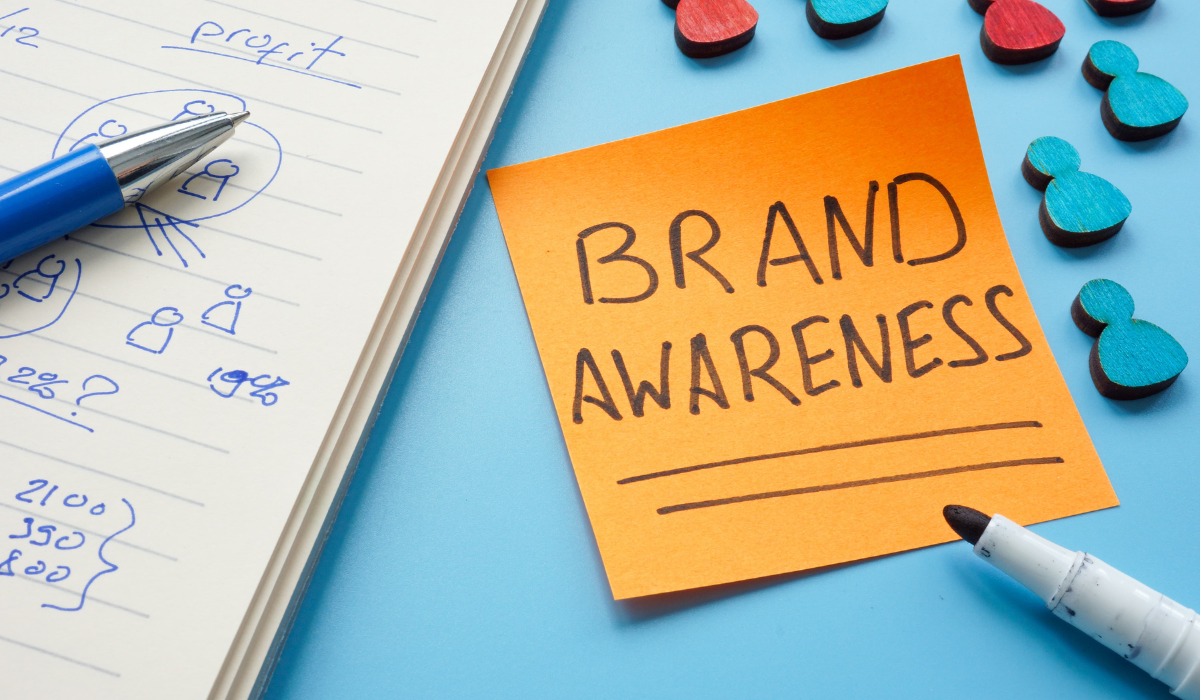
Now that you know how to measure it, let’s look at how you can improve brand awareness to strengthen your marketing strategy.
Create a Strong Brand Identity
Your logo, colour scheme, tagline, and tone of voice should all reflect your brand personality.
Make them consistent across your website, social media, and ads so people can easily recognise your brand.
Tip: Think of McDonald’s golden arches or Apple’s clean, simple design — both are instantly recognisable.
Use Content Marketing
Content is one of the best ways to increase awareness. Create valuable and shareable content that helps your audience.
You can try:
- Blog posts
- Infographics
- Short videos
- Podcasts
- How-to guides
Good content builds trust and keeps your brand at the top of people’s minds.
Leverage Social Media Platforms
Be active where your audience spends time.
Share useful posts, run interactive polls, and respond to comments quickly.
Also, use trending hashtags and collaborate with influencers in your niche. Influencer marketing is especially powerful for reaching new audiences.
Run Paid Advertising Campaigns
Paid ads can help boost your visibility faster.
Try Google Ads, Facebook Ads, or Instagram promotions to reach a targeted audience.
Use brand-friendly visuals and clear messages so your ads leave a lasting impression.
Partner with Other Brands
Collaborating with non-competing but relevant brands can expand your reach.
For example, a coffee brand might partner with a bakery for a joint campaign.
This exposes both brands to each other’s audiences — a win-win for awareness.
Encourage Word of Mouth
People trust recommendations from friends more than ads.
Encourage your happy customers to spread the word by offering referral programmes, discounts, or loyalty points.
Monitor and Adapt Regularly
Brand awareness doesn’t grow overnight.
Keep tracking your data regularly, adjust your campaigns, and test new ideas.
Over time, you’ll learn what works best for your brand and audience.
Connecting Brand Awareness with Marketing Strategy

Measuring and improving brand awareness helps you make smarter marketing decisions.
Here’s how it connects to your overall strategy:
Better Audience Targeting
When you know who recognises your brand and how they found you, you can target similar audiences more effectively.
For example, if most of your new followers come from Instagram, you can focus more effort on that platform.
Smarter Budget Allocation
Tracking awareness metrics helps you see which campaigns deliver the most results.
You can then invest more in what’s working and cut costs where it’s not.
Improved Messaging
Survey and feedback data tell you what people think about your brand.
You can use this insight to refine your tone, slogans, and visuals to better match your audience’s expectations.
Stronger Customer Relationships
When you actively listen to your audience and improve based on their feedback, you build trust.
This turns casual customers into loyal supporters — and loyal customers are your best marketers.
Tools to Help You Measure and Manage Brand Awareness
Here are some useful tools to simplify your brand awareness tracking:
| Purpose | Tool |
| Website Analytics | Google Analytics, Matomo |
| Social Media Tracking | Hootsuite, Sprout Social, Buffer |
| Search Volume | Google Trends, Ahrefs, SEMrush |
| Brand Mentions | Google Alerts, Mention, Brandwatch |
| Surveys | Typeform, SurveyMonkey, Google Forms |
| Reputation Management | Trustpilot, ReviewTrackers |
These tools provide valuable insights to understand how people find and engage with your brand.
Common Mistakes to Avoid
While measuring brand awareness, avoid these common errors:
- Ignoring qualitative feedback: Numbers are important, but emotions matter too. Listen to what people are saying, not just how many are talking.
- Being inconsistent: Inconsistent branding confuses your audience. Keep your message and visuals the same everywhere.
- Focusing only on vanity metrics: Likes and followers are good, but what really matters is engagement and loyalty.
- Not tracking regularly: Awareness can drop if you stop measuring. Make it a monthly habit.
Conclusion
The cornerstone of any effective marketing plan is brand recognition. It’s what makes people recognise, remember, and trust your brand.
By measuring awareness through website traffic, social media engagement, search data, and customer feedback, you can understand how well your brand is performing.
And by improving your brand identity, creating valuable content, using social media effectively, and building relationships, you can increase awareness and strengthen your overall marketing strategy.
Remember, building brand awareness takes time — but every step counts. Stay consistent, keep learning, and your brand will become one people know and love.
FAQ’s
What does ‘brand awareness’ mean?
Brand awareness means how well people know your brand and recognize it when they see your logo, name, or products. It shows how familiar your audience is with your business and how easily they remember your brand compared to others.
Why is brand awareness important?
Brand awareness helps people trust your business, choose your products, and recommend them to others. When more people know and remember your brand, it increases customer loyalty, boosts sales, and strengthens your overall marketing success.
How can I measure brand awareness online?
You can measure brand awareness using tools like Google Analytics for website traffic, social media insights for engagement, and Google Trends for search volume. Surveys, brand mentions, and online reviews also help you understand how well people know your brand.
What are brand mentions?
Brand mentions are when people talk about your brand online—on blogs, social media, or websites—even if they don’t tag you. Tracking mentions helps you see how often your brand is discussed and what people think about it.
How do surveys help in measuring brand awareness?
Surveys help you ask customers directly if they know your brand, where they heard about it, and what they think of it. This gives you honest feedback and helps you improve your marketing to reach more people effectively.
What is Share of Voice (SOV)?
Share of Voice means how much your brand is talked about compared to your competitors. It shows your visibility in the market. A higher SOV means your brand is leading the conversation and getting more attention.
How can I increase my brand awareness?
You can increase brand awareness by creating strong branding, sharing helpful content, using social media actively, collaborating with influencers, running paid ads, and encouraging customer referrals. Consistent and creative marketing helps people remember your brand easily.