
Introduction
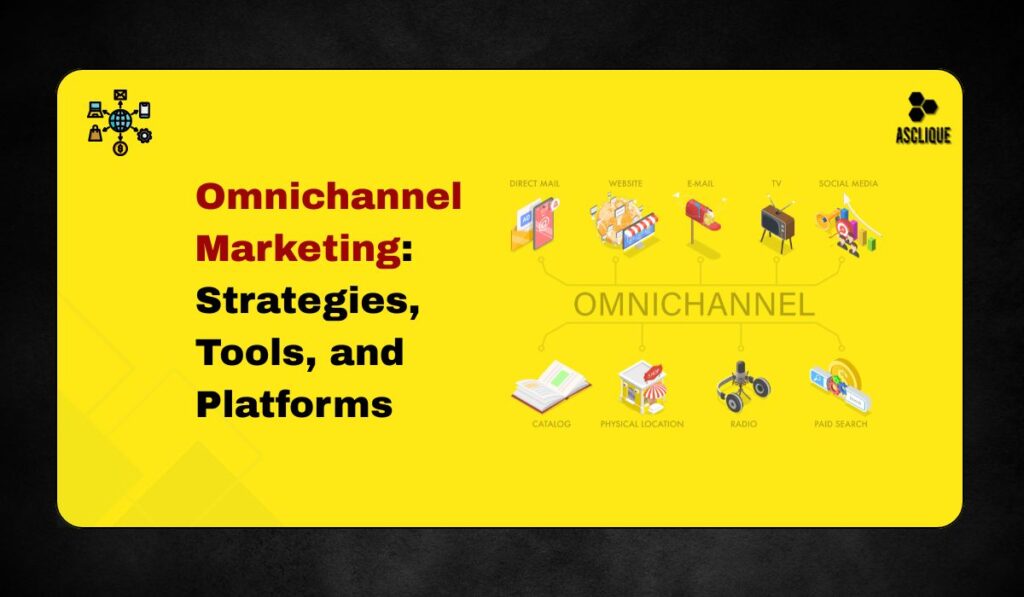
In today’s hyper-connected world, customers interact with brands across multiple channels—websites, social media, mobile apps, physical stores, chatbots, and even email. Numerous touchpoints are created by these exchanges, and companies that don’t connect them run the danger of losing clients to rivals who provide flawless experiences. This is where omnichannel marketing comes in. Unlike single-channel or even multichannel approaches, omnichannel marketing integrates every channel into a unified customer journey. It ensures that customers experience consistent, personalized, and convenient interactions—whether they’re shopping online, browsing in-store, or engaging on social media. In this article, we’ll break down what omnichannel marketing is, effective strategies, top tools, and leading platforms that can help businesses build meaningful customer relationships.
What is omnichannel marketing?
A customer-focused strategy, omnichannel marketing combines several channels of communication into a single, cohesive system. It ensures customers can switch between channels without losing continuity in their experience.
For example:
- A customer browses shoes on a brand’s website.
- A customized email reminding them about the product is then sent to them.
- In-store, a sales associate knows the customer’s preferences through a connected app.
- On social media, they see targeted ads aligned with their browsing history.
The key difference between multichannel and omnichannel:
- Multichannel: Multiple channels exist but operate independently.
- Omnichannel: A smooth experience is provided by integrating all channels.
Why Omnichannel Marketing Matters
- Customer Expectations—Modern customers want consistency across channels. Research shows 73% of customers prefer shopping through multiple channels.
- Higher Engagement—Brands with omnichannel strategies see 3x higher engagement rates.
- Improved Retention – Consistent messaging builds loyalty and reduces churn.
- Sales Growth: Omnichannel companies report 9.5% year-over-year sales growth, while non-omnichannel companies report 3.4% growth.
Omnichannel Marketing Strategies
To succeed, businesses must adopt structured strategies. Below are the most effective omnichannel marketing strategies:
-
Understand the Customer Journey
Mapping the customer journey is the foundation of omnichannel marketing. Businesses must identify:
- Where customers start (e.g., social media, ads, referrals).
- The touchpoints they interact with (website, app, emails, store visits).
- Pain points and opportunities.
A clear journey map allows brands to remove friction and align every channel.
-
Personalization Across Channels
Generic messages no longer work. Customers expect content tailored to their needs. Personalization can include:
- Product recommendations based on browsing history.
- Personalized email campaigns triggered by customer actions.
- Location-based offers via mobile apps.
Personalization not only improves engagement but also builds stronger emotional connections.
-
Consistent Brand Messaging
Whether it’s a website banner, Instagram post, or in-store poster, the message should remain consistent. Consistency avoids confusion and strengthens brand identity.
Example: If a brand promotes a “50% off summer sale,” the same message should be reflected across email, social media, and physical outlets.
-
Leverage Data and Analytics
Omnichannel marketing thrives on data integration. Businesses must collect and analyze data from all sources to:
- Understand customer preferences.
- Identify high-performing channels.
- Optimize campaigns for better ROI.
Tools like Google Analytics, HubSpot, or Adobe Analytics play a big role here.
-
Use Automation for Efficiency
Automation allows businesses to deliver the right message at the right time. Examples include:
- Abandoned cart emails.
- Push notifications about price drops.
- Automated responses via chatbots.
Automation guarantees that no chance is lost, even while handling several channels.
-
Integrate Online and Offline Experiences
Omnichannel isn’t just about digital—it bridges the gap between online and offline interactions.
- Buy online, pick up in-store (BOPIS).
- In-store kiosks that connect to online catalogs.
- QR codes linking physical products to digital experiences.
This hybrid approach meets customers wherever they are.
-
Mobile-First Experience
Since most interactions begin on mobile, businesses must optimize for mobile.
- Mobile-responsive websites.
- Easy checkout processes.
- SMS campaigns for instant engagement.
Mobile-first strategies enhance convenience and customer satisfaction.
Omnichannel Marketing Tools
The success of omnichannel strategies depends on the right tools. Here are some essential categories and examples:
-
Customer Relationship Management (CRM) Tools
CRMs centralize customer data and help deliver personalized experiences.
- HubSpot CRM—All-in-one tool for sales, marketing, and service.
- Salesforce CRM—Highly customizable with advanced integrations.
-
Email Marketing Tools
Email remains a critical part of omnichannel campaigns.
- ActiveCampaign – Automation and personalization.
- Mailchimp—beginner-friendly with robust analytics.
-
Social Media Management Tools
These tools help schedule, manage, and analyze social campaigns.
- Hootsuite – Social scheduling and analytics.
- Buffer—A simple, cost-effective solution.
-
Analytics Tools
Measure customer behavior across channels.
- Google Analytics – Tracks traffic sources and conversions.
- Adobe Analytics—Advanced data tracking for enterprises.
-
Automation Tools
Automation ensures timely and consistent engagement.
- Zapier—Connects different apps for workflow automation.
- Marketo—Advanced marketing automation for enterprises.
-
Customer Support Tool
Omnichannel experiences often depend on excellent customer support.
- Zendesk—Unified support via email, chat, and social.
- Freshdesk—a scalable and affordable support solution.
Omnichannel Marketing Platforms
While individual tools handle specific needs, omnichannel marketing platforms bring everything together. These platforms provide an all-in-one environment for managing campaigns, data, and customer journeys.
-
HubSpot
- Combines CRM, email marketing, social media, and analytics.
- Great for small- to medium-sized businesses.
-
Salesforce Marketing Cloud
- Enterprise-level solution with advanced personalization.
- Integrates AI for predictive customer engagement.
-
Oracle CX Marketing
- Offers campaign management, customer insights, and automation.
- Ideal for large-scale organizations.
-
Adobe Experience Cloud
- Provides advanced analytics, content management, and personalization.
- Focuses on creating unified digital experiences.
-
Zoho CRM Plus
- Affordable platform for small and mid-sized companies.
- Includes CRM, social media, and email marketing tools.
Best Practices for Implementing Omnichannel Marketing
- Start Small, Scale Gradually—Begin with key channels and expand as you master integration.
- Focus on Customer Data—Invest in tools that centralize and analyze data.
- Maintain Consistency—Ensure brand voice remains the same across all platforms.
- Train Teams – Employees must understand omnichannel principles to deliver effective experiences.
- Measure Performance—Regularly track KPIs like customer engagement, retention, and ROI.
Challenges in Omnichannel Marketing
While highly rewarding, omnichannel marketing comes with challenges:
- Data Silos—Information spread across multiple tools makes integration difficult.
- High Costs—Platforms and automation tools can be expensive.
- Implementation Complexity – Requires technical expertise.
- Consistency Management—Maintaining brand consistency across 5–10 channels is challenging.
Overcoming these challenges requires the right balance of tools, strategy, and skilled teams.
The Future of Omnichannel Marketing
The future is moving toward AI-driven personalization, voice search integration, and immersive experiences (like AR/VR). Imagine walking into a store and receiving real-time offers on your phone based on your online browsing history.
Companies that use these technologies will build enduring, devoted relationships with their customers in addition to meeting their expectations.
Conclusion
Omnichannel marketing is no longer a luxury—it’s a necessity. By unifying customer interactions across channels, businesses can create seamless, personalized, and memorable experiences.
- Brands may optimize customer journeys by implementing the appropriate techniques.
- They can measure success and streamline processes with the correct tools.
- Leveraging powerful platforms, they can scale efforts and build stronger connections.
In an era where customers demand convenience and personalization, omnichannel marketing is the ultimate competitive advantage.
FAQs
What is an omnichannel marketing strategy?
An omnichannel marketing strategy is a cohesive approach to marketing that integrates multiple channels and touchpoints to create a seamless customer experience. This strategy recognizes that customers interact with brands through various platforms—such as websites, social media, email, mobile apps, and physical stores—and aims to provide a consistent message and experience across all these channels.
What are the benefits of omnichannel customer service?
While it may seem that different generations prefer different communication channels, the reality is that we all use similar ones today. Online consulting has become essential, especially after the eCommerce boom during the pandemic, proving that face-to-face interaction is no longer necessary for purchasing decisions. Businesses must ensure flexible digital channels to provide details on products, discounts, payments, and delivery. Beyond standard options like email, live chat, and phone support, advanced tools such as AI-powered chatbots and virtual assistants can manage FAQs, order issues, and customer queries 24/7, enhancing convenience and improving the overall shopping experience.
What is an example of an omni channel?
-
Starbucks:A customer can order via the mobile app, pay, earn rewards, and pick up their drink in-store, creating a seamless experience between the app and physical location.
-
Amazon:Customers can browse online, choose delivery to home or a self-service pickup Locker, and even use their Amazon account in physical stores, unifying the brand experience.
-
Sephora:Combines a strong in-store experience with digital tools like a mobile app, allowing customers to track orders, find products, and choose between delivery and in-store pickup.