
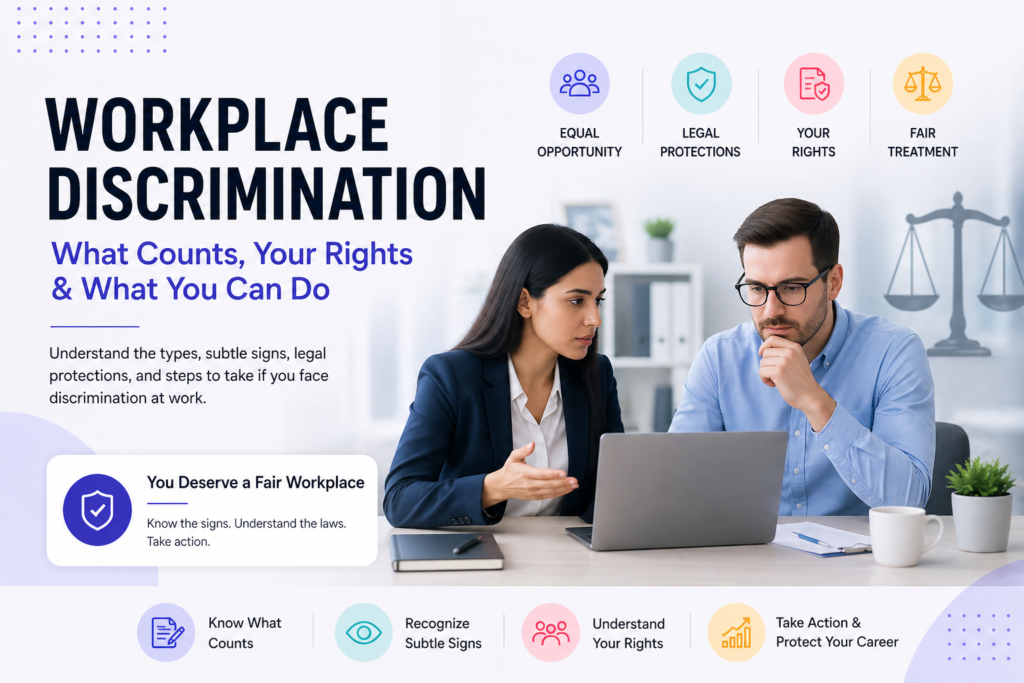
In 2024, the U.S. Equal Employment Opportunity Commission reported 88,860 new workplace discrimination cases, reflecting a 9.2% increase from the previous year. This rise indicates both growing awareness among employees and increasing scrutiny of employer practices. From an Asclique standpoint, workplace discrimination is not just a legal issue. It is a direct business risk that impacts hiring quality, retention, brand reputation, and long-term growth.
Workplace discrimination occurs when an individual is treated unfavorably because of protected characteristics such as race, color, religion, sex, gender identity, sexual orientation, national origin, age, disability, or genetic information. According to Los Angeles discrimination lawyer Emanuel Shirazi, the defining factor is harm tied to these characteristics, including termination, demotion, unequal pay, or denial of promotions. These actions affect not only individuals but also the overall credibility and performance of an organization.
Types of Workplace Discrimination
The law establishes multiple separate legal classifications of discrimination. Discriminatory treatment is when other people treat you differently based on your racial background, ethnicity, and national origin. Discrimination based on gender identity, sexual orientation, and pregnancy falls under Title VII. This legislation establishes the right to equal pay for equal work. It also guarantees that no barriers to advancement hinder an employee of any age.
Workplaces most often discriminate against individuals 40 years and above. These workers experience job discrimination through both denial of employment opportunities and forced retirement without valid business reasons.
Disability discrimination happens when an employer, discriminating against a qualified candidate of any disability, does not put in place the necessary accommodations. The employer is legally obligated to make reasonable accommodations for the spiritual views and practices of an employee.
Can you sue your employer for workplace discrimination? If you have experienced workplace discrimination, you may file a lawsuit under the law. Before taking legal action, you must go through certain administrative processes.
Recognizing Subtle Signs of Discrimination
Modern workplace discrimination is rarely obvious. It often appears through patterns rather than direct actions. Employees may notice their ideas being consistently dismissed while others receive recognition for similar contributions. Some individuals may be excluded from mentorship programs or high-visibility projects that are essential for career growth.
Performance evaluations can also reveal bias, especially when certain groups consistently receive harsher feedback despite comparable performance. Over time, these patterns create unequal opportunities and can form the basis of a legal claim. Identifying these signals early is critical, both for employees and organizations aiming to maintain fair systems.
Legal Protections for Employees
Legal protections in the United States are enforced through a structured framework led by the EEOC. Key laws include Title VII of the Civil Rights Act of 1964, Age Discrimination in Employment Act, Americans with Disabilities Act, and Genetic Information Nondiscrimination Act. These laws apply based on employer size and ensure that employees are protected from unfair treatment.
Steps to Take After Experiencing Discrimination
When discrimination occurs, the response must be structured and immediate. The first step is documentation. Recording dates, times, statements, and witnesses creates a factual foundation that supports any future action. Without documentation, even valid claims become difficult to prove.
The next step is to report the issue internally through HR or formal company channels. This establishes a record that the employer was informed. If the issue is not resolved, filing a charge with the EEOC becomes necessary before pursuing legal action under federal law. At this stage, an employment lawyer evaluates the case based on evidence, employer behavior, and applicable legal standards.
Asclique Strategic View
From an Asclique perspective, workplace discrimination is not just a compliance requirement. It is a performance issue. Companies that fail to address discrimination face higher employee turnover, weaker employer branding, and reduced productivity. In contrast, organizations that build fair and transparent systems attract better talent, improve retention, and strengthen their market position.
FAQ’s
What exactly turns unfair treatment into illegal discrimination?
Unfair treatment becomes illegal discrimination when it is linked to a protected characteristic such as race, gender, age, or disability and results in measurable harm. For example, favoring one employee over another is not automatically illegal. However, if that preference consistently aligns with a protected trait and impacts promotions, pay, or opportunities, it can qualify as discrimination under federal law. Legal authorities focus on patterns and outcomes rather than isolated incidents.
Can subtle or indirect actions be legally considered discrimination?
Yes. Many modern discrimination cases are based on indirect behavior rather than explicit statements. Repeated exclusion from meetings, lack of access to growth opportunities, or biased evaluations can all qualify if they disproportionately affect individuals based on protected characteristics. These cases rely heavily on documented patterns over time.
How does retaliation differ from discrimination?
Retaliation occurs when an employer takes negative action against an employee for reporting discrimination or participating in an investigation. This could include termination, demotion, or reduced responsibilities. Retaliation is treated as a separate legal violation and is one of the most common reasons employees file complaints with the EEOC.
What is the process for filing a discrimination complaint?
The process usually begins with internal reporting through HR. If the issue remains unresolved, the employee files a charge with the EEOC. This step is required before filing a lawsuit under federal law. The EEOC may investigate, attempt mediation, or issue a notice allowing the individual to proceed with legal action.
What kind of evidence strengthens a discrimination case?
Strong cases are supported by clear documentation, including emails, performance reviews, written complaints, and witness statements. Comparative data showing unequal treatment between employees in similar roles is particularly valuable. Consistency and timing of records significantly increase the credibility of a claim.
Are employers always liable if discrimination occurs?
Employers are not automatically liable. They can defend their actions by proving decisions were based on legitimate business reasons applied consistently across all employees. However, if evidence shows bias, inconsistency, or patterns tied to protected characteristics, liability becomes much more likely.
How can companies prevent discrimination proactively?
Prevention requires structured systems rather than just policies. This includes unbiased hiring practices, transparent evaluation processes, and clear reporting channels. Regular training and leadership accountability are essential. From a business perspective, preventing discrimination is significantly more cost-effective than dealing with legal consequences and reputational damage later.