
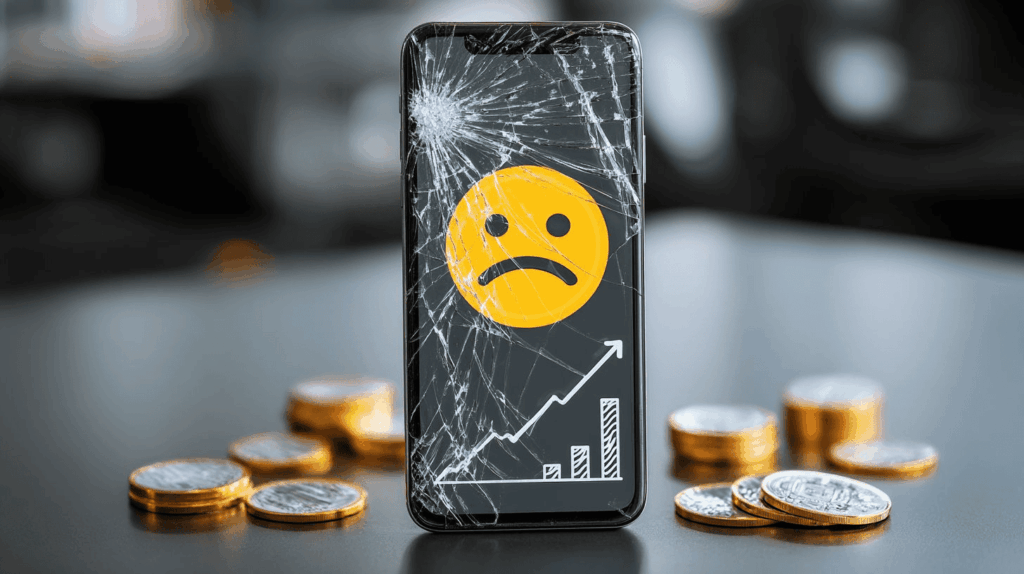
A single negative review can cut revenue by up to 93% when consumers rely on online feedback before nearly every purchase. Reputation is no longer abstract. It is measurable, searchable, and permanent unless actively addressed.
As platforms like Google Reviews, Yelp, and Trustpilot, along with social media, continue to dominate decision-making, reputation repair has shifted from a niche service to a core business function. Add cancel culture, SEO shifts that favor third-party criticism, AI-generated smears, and employer background screening, and the demand becomes unavoidable. Reputation repair is no longer reactive damage control. It is a survival infrastructure.
Online Reputation Is Now Economic Currency
Digital reputation now directly controls revenue, hiring, partnerships, and customer trust.
Gartner estimates that poor online reputation costs businesses billions each year, not because of a single platform, but because search results compound visibility. Consumers rarely look past the first page, and what appears there becomes reality. A single negative result, if authoritative enough, can outweigh dozens of positives.
Research consistently shows that:
- Consumers trust online reviews as much as personal recommendations
- A one-star rating drop translates into meaningful revenue loss
- The first ten search results shape almost all consumer perception
This is why reputation repair has become less about deleting content and more about correcting the balance of what the internet presents as truth.
Reputation and Revenue Are Now Structurally Linked
Reputation damage is no longer theoretical. It is calculable.
When negative feedback intersects with high search visibility, the financial impact escalates quickly—traffic drops. Conversion rates fall. Prospects bounce before engaging. Businesses often misdiagnose this as a marketing issue when the real problem sits in branded search results.
Reputation repair works because it addresses that intersection. By stabilizing search visibility, restoring trust signals, and rebuilding credibility, businesses can recover lost revenue without changing their core product or pricing.
Review Platforms Have Created Permanent Exposure
The explosion of review platforms has fundamentally changed the risk landscape.
Consumers publish hundreds of millions of reviews each year across dozens of platforms. Google Reviews alone influence most local purchasing decisions. Yelp, Trustpilot, Facebook, Amazon, and industry-specific platforms further amplify that exposure.
The challenge is not volume. It is an authority.
High-authority platforms rank easily in search results, often outranking the businesses they review. Once negative content appears on those domains, it becomes challenging to displace without a coordinated reputation repair strategy.
One Negative Review Carries Disproportionate Weight
Human psychology amplifies reputation damage.
Negative information is weighted more heavily than positive information. One harsh review can overshadow dozens of favorable ones, especially when it appears prominently in search results or review snippets.
This is why businesses experience sudden drops in leads after a single incident. The problem is not the review itself. It is how algorithms surface and prioritize it.
Reputation repair focuses on correcting that imbalance, not pretending criticism never existed.
Nearly Everyone Checks Reviews Before Acting
Review checking is now a universal behavior.
Consumers across age groups consult reviews before buying, booking, applying, or engaging. This applies equally to B2C and B2B decisions. Executives vet partners. HR teams vet candidates. Procurement teams vet vendors.
If the search results raise doubt, the decision stops there.
Reputation repair exists because first impressions now form on search engines, not in conversations.
Cancel Culture and Viral Shaming Accelerate Damage
Online outrage spreads faster than correction.
Negative narratives are amplified more aggressively than positive ones. Algorithms reward engagement, and outrage drives engagement. A single post can trigger a cascade of reposts, screenshots, and secondary commentary that dominates search results within hours.
Most brands and individuals never fully recover without intervention. Reputation repair works by slowing that momentum, reframing visibility, and restoring context before the damage becomes entrenched.
Employers Now Screen Digital Reputation by Default
Background checks are no longer limited to criminal records.
Recruiters routinely search candidates’ names, social profiles, and historical content. Old posts, comments, or misinterpreted material can disqualify candidates instantly, often without explanation.
Reputation repair for individuals focuses on:
- Cleaning branded search results
- Suppressing outdated or misleading content
- Rebuilding professional visibility with accurate, current assets
This has made reputation repair a career safeguard rather than a vanity service.
SEO Now Favors Negative Third-Party Content
Modern SEO has shifted against brands.
High-authority review and complaint sites naturally rank well due to their volume, engagement, and backlink profiles. Even false or misleading content can outrank official sources if left unchallenged.
Reputation repair addresses this structural imbalance by:
- Creating authoritative positive assets
- Strengthening brand-controlled content
- Reducing the visibility of harmful results through ethical SEO
Without this effort, negative content often stays dominant indefinitely.
AI and Deepfakes Have Raised the Stakes
Artificial intelligence has introduced a new category of reputation risk.
AI-generated images, videos, and text can fabricate incidents convincingly enough to go viral before verification occurs. By the time content is disputed, damage is already done.
Reputation repair now includes:
- Rapid detection and reporting
- Search result suppression
- Ongoing monitoring to prevent resurfacing
These incidents have moved reputation repair from PR into crisis infrastructure.
Fake Reviews and Competitor Sabotage Are Common
Not all reputation damage is organic.
Competitors, bad actors, and bots routinely post false reviews or coordinate attacks to harm visibility. Platforms remove some of this content, but enforcement is inconsistent.
Reputation repair services investigate patterns, escalate legitimate removals, and rebuild trust signals to neutralize the impact even when removal fails.
Why Demand Keeps Rising
The demand for reputation repair is growing as exposure increases.
More platforms. More data. More automation. More permanence.
Businesses and individuals no longer ask whether reputation repair is necessary. They ask how quickly it can be deployed and how durable the results will be.
Firms like NetReputation.com operate in this space by combining content suppression, SEO strategy, monitoring, and long-term reputation planning rather than relying solely on takedown promises. That reflects the industry’s maturity.
Reputation Repair Is No Longer Optional
Reputation repair is no longer a response to scandal. It is a defensive layer.
Search engines, platforms, employers, and consumers have aligned around digital perception as a proxy for trust. When perception is damaged, outcomes follow immediately.
That is why reputation repair has become one of the internet’s most in-demand services. Not because people want to erase the past, but because they cannot afford to let algorithms define it for them.