Structured Data Testing

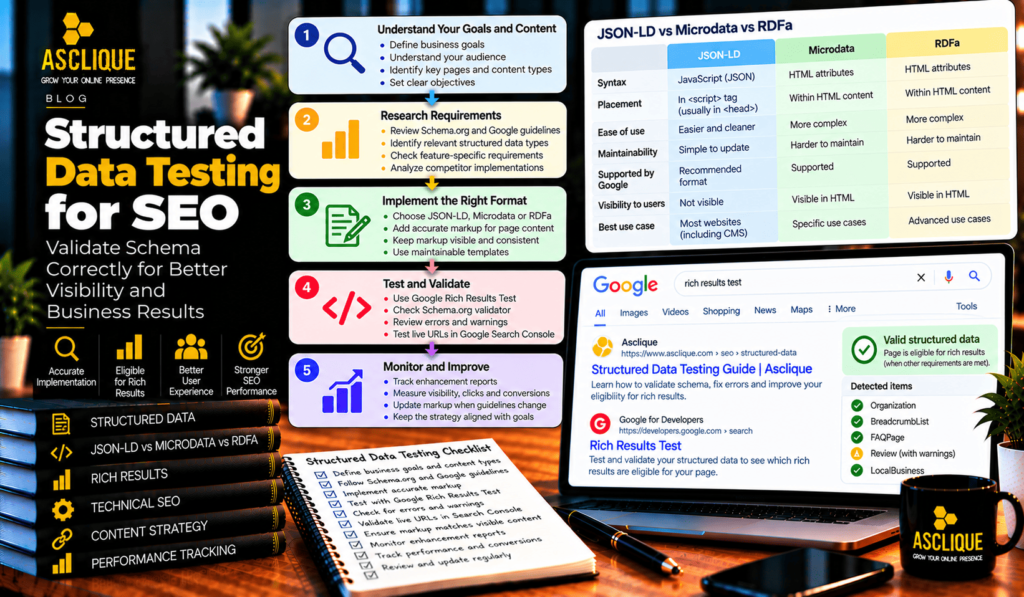
Structured Data Testing: How to Validate Schema Correctly

Structured Data Testing matters when it helps a business solve a real search, discovery, content or measurement problem. Structured data is a standardized way to describe page information to machines. For SEO, the objective is accuracy and eligibility, not adding as many schema types as possible. Markup should represent content users can actually see and

Structured Data Testing: How to Validate Schema Correctly Read More »

json-ld vs microdata

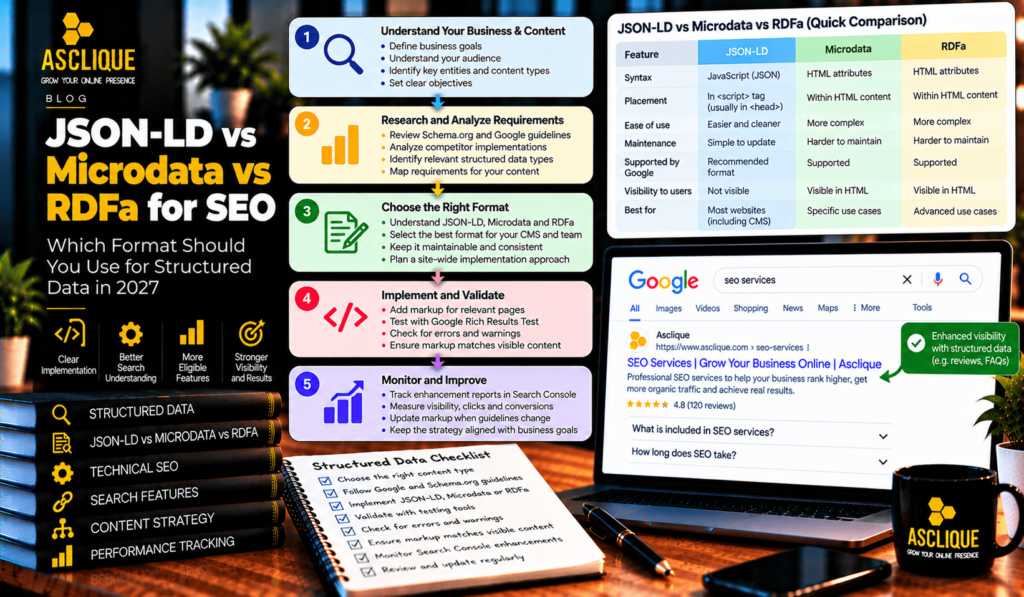
JSON-LD vs Microdata vs RDFa: Which Format Should You Use?

JSON-LD vs Microdata vs RDFa matters when it helps a business solve a real search, discovery, content or measurement problem. Structured data is a standardized way to describe page information to machines. For SEO, the objective is accuracy and eligibility, not adding as many schema types as possible. Markup should represent content users can actually

JSON-LD vs Microdata vs RDFa: Which Format Should You Use? Read More »

Keyword Mapping

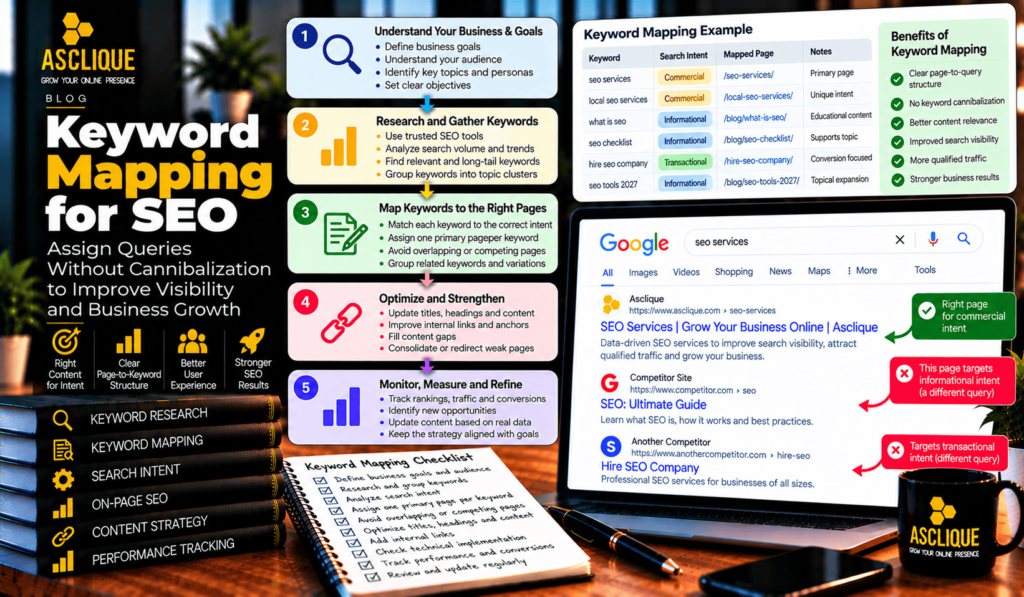
Keyword Mapping: How to Assign Queries Without Cannibalization

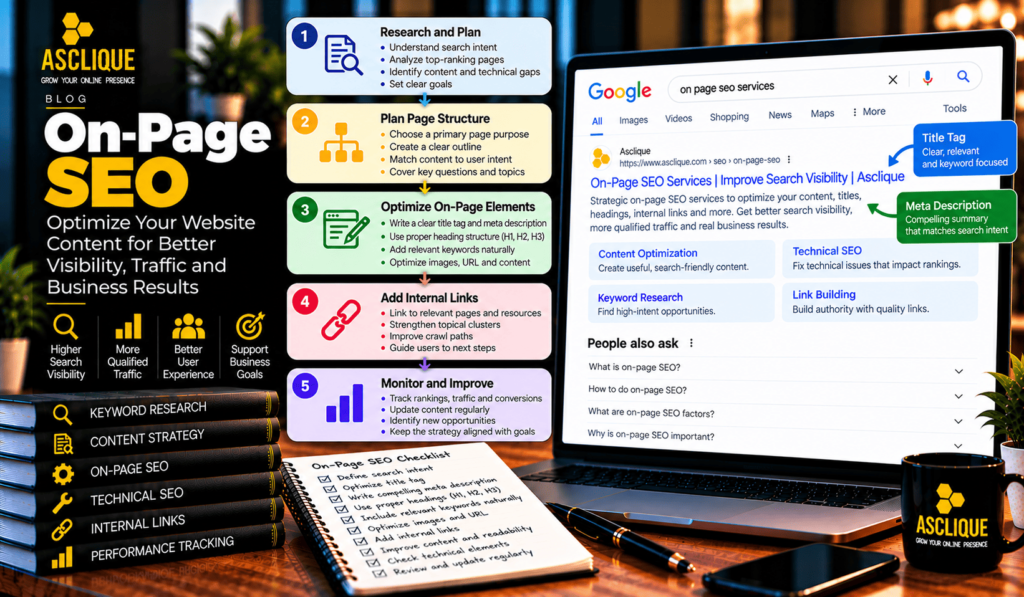
Keyword Mapping matters when it helps a business solve a real search, discovery, content or measurement problem. On-page SEO aligns a page with a real search need and makes the answer easy to understand. Keywords still help describe demand, but the strongest pages are organized around intent, entities, evidence and usefulness rather than mechanical repetition.

Keyword Mapping: How to Assign Queries Without Cannibalization Read More »

Search Intent

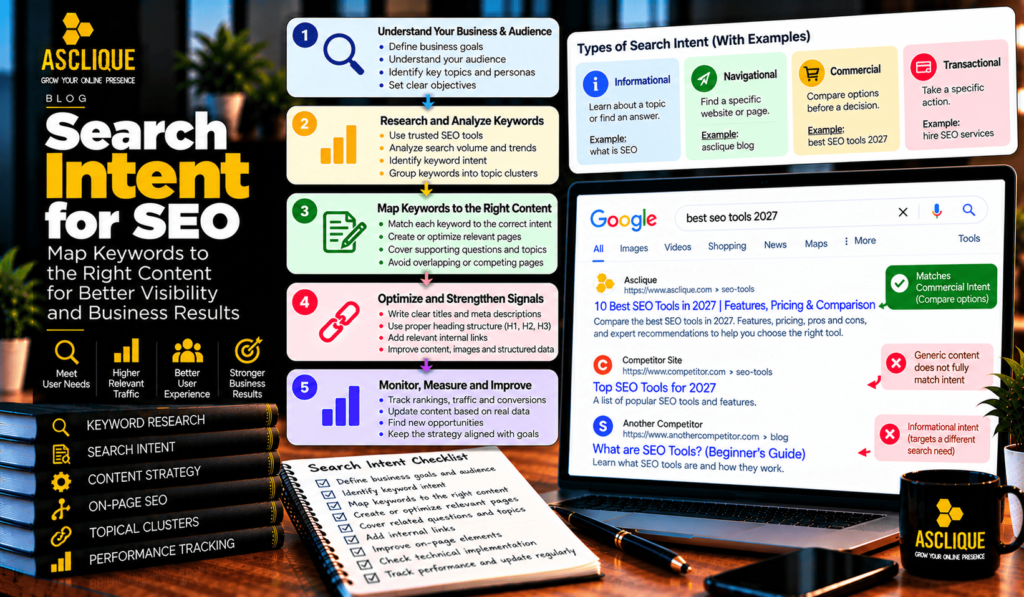
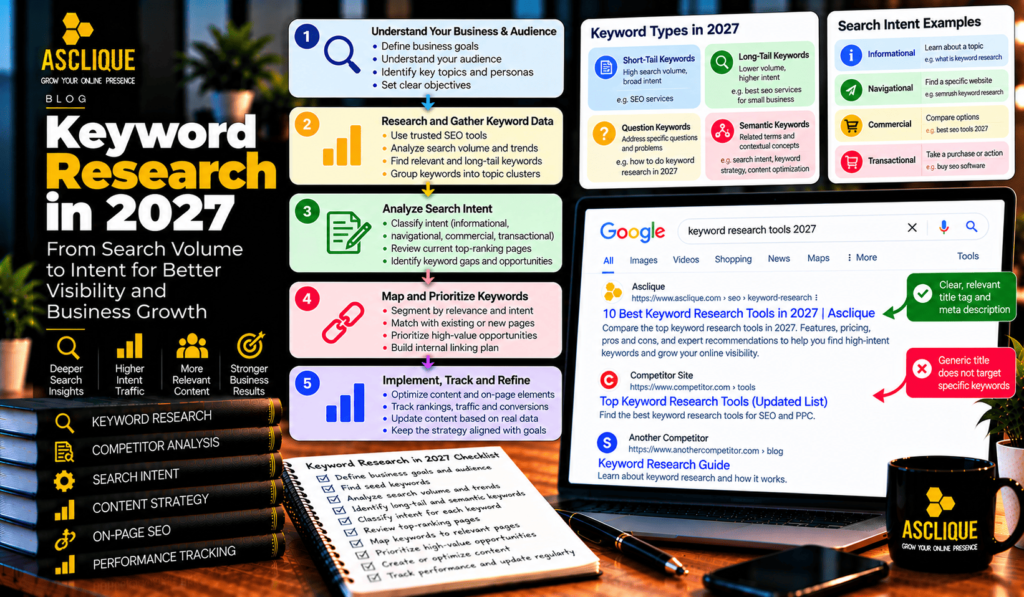
Search Intent: How to Map Keywords to the Right Content

Search Intent matters when it helps a business solve a real search, discovery, content or measurement problem. On-page SEO aligns a page with a real search need and makes the answer easy to understand. Keywords still help describe demand, but the strongest pages are organized around intent, entities, evidence and usefulness rather than mechanical repetition.

Search Intent: How to Map Keywords to the Right Content Read More »

Keyword Cannibalization

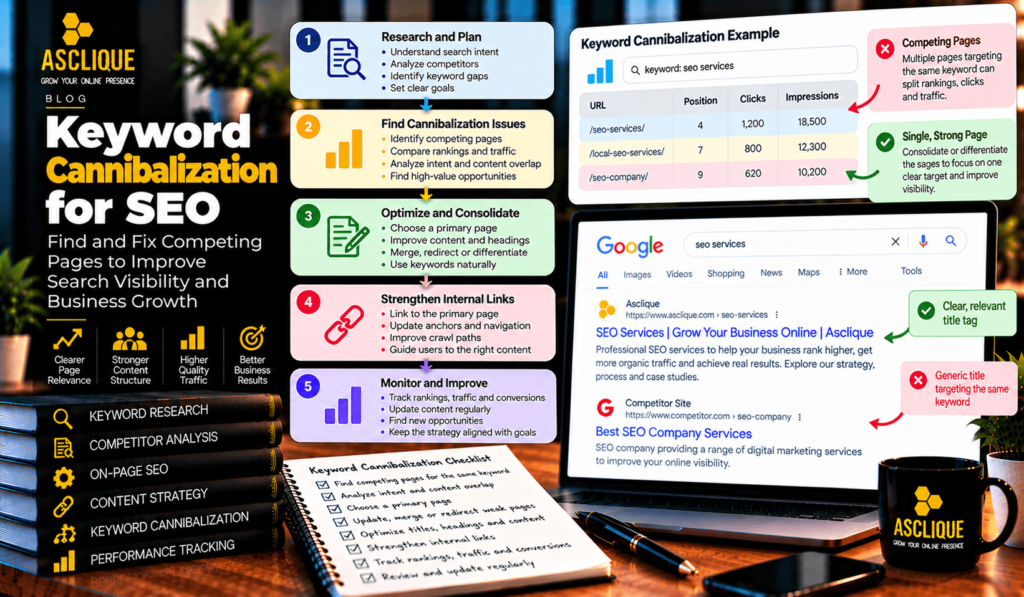
Keyword Cannibalization: How to Find and Fix Competing Pages

Keyword Cannibalization matters when it helps a business solve a real search, discovery, content or measurement problem. On-page SEO aligns a page with a real search need and makes the answer easy to understand. Keywords still help describe demand, but the strongest pages are organized around intent, entities, evidence and usefulness rather than mechanical repetition.

Keyword Cannibalization: How to Find and Fix Competing Pages Read More »

Keyword Gap Analysis

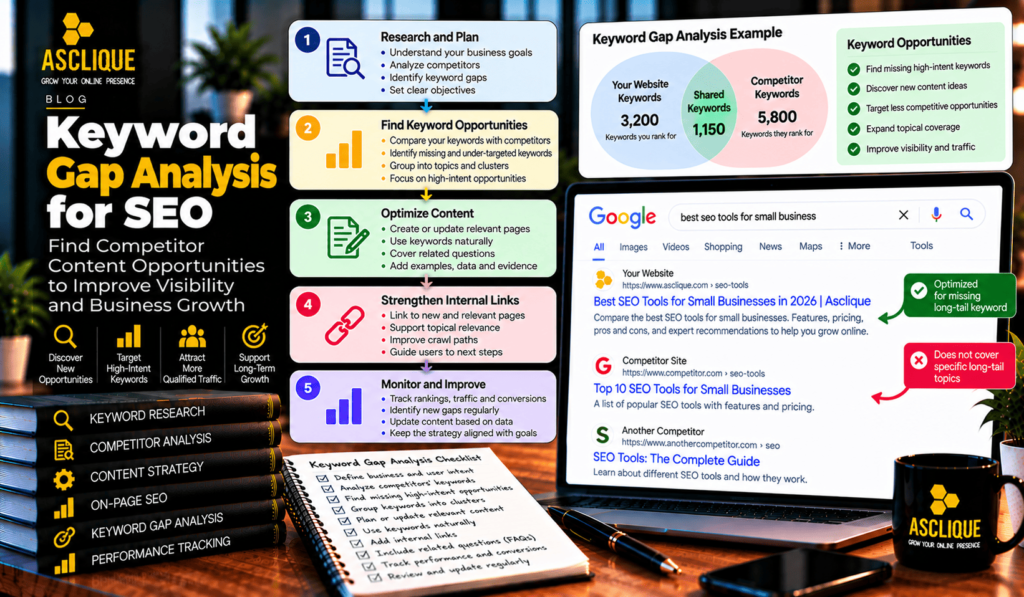
Keyword Gap Analysis: How to Find Competitor Content Opportunities

Keyword Gap Analysis matters when it helps a business solve a real search, discovery, content or measurement problem. On-page SEO aligns a page with a real search need and makes the answer easy to understand. Keywords still help describe demand, but the strongest pages are organized around intent, entities, evidence and usefulness rather than mechanical

Keyword Gap Analysis: How to Find Competitor Content Opportunities Read More »

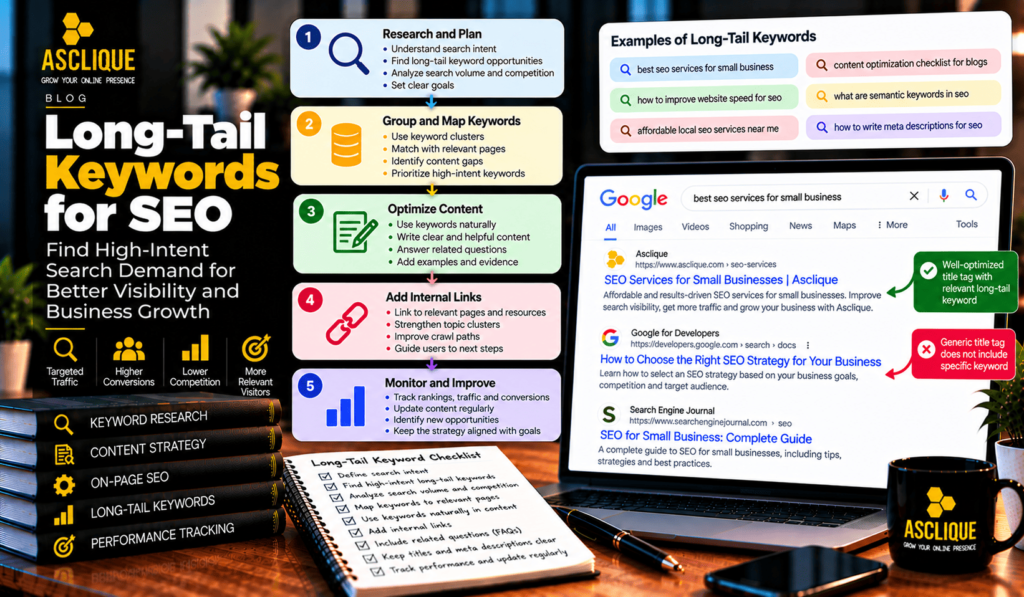
Long-Tail Keywords

Long-Tail Keywords: How to Find High-Intent Search Demand

Long-Tail Keywords matters when it helps a business solve a real search, discovery, content or measurement problem. On-page SEO aligns a page with a real search need and makes the answer easy to understand. Keywords still help describe demand, but the strongest pages are organized around intent, entities, evidence and usefulness rather than mechanical repetition.

Long-Tail Keywords: How to Find High-Intent Search Demand Read More »

Scroll to Top