
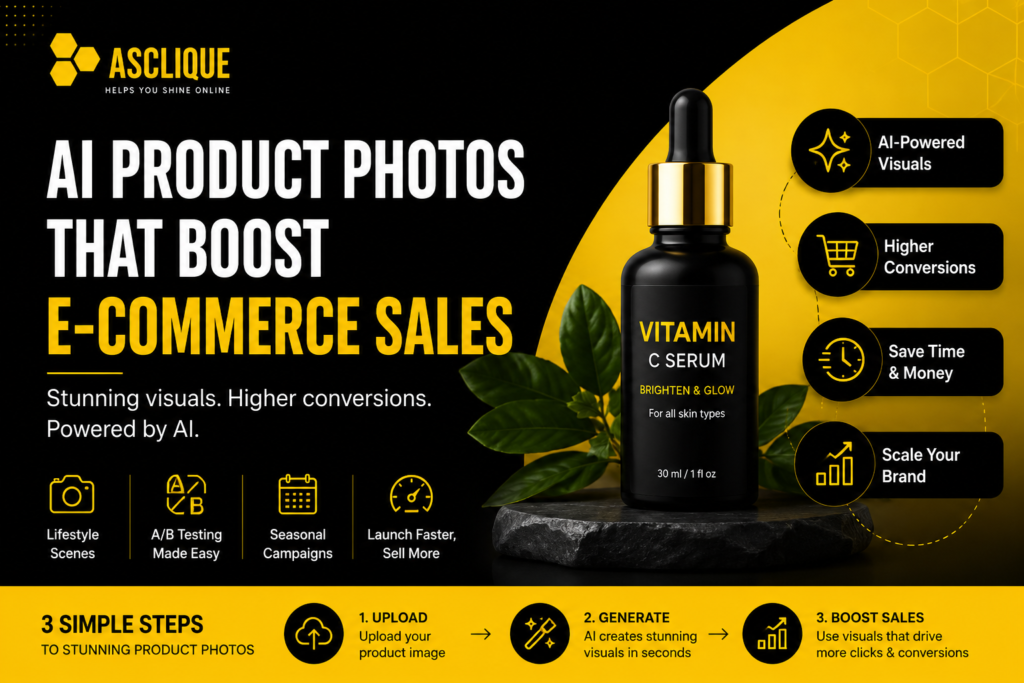
In the world of e-commerce, visuals are everything. Before a customer reads a product description or looks at reviews, they look at the image first. High-quality product photos build trust, tell a story, and ultimately drive the decision to purchase.
But traditional commercial photography is expensive and time-consuming. Hiring photographers, renting studios, and waiting for edits can drain a brand’s budget. Enter AI product photo generators. Today, smart brands are leveraging AI to create stunning, pro-level product visuals in seconds, boosting their sales conversion rates.
Why Product Visuals Make or Break E-commerce Sales
Human beings are highly visual creatures. According to industry data, over 75% of online shoppers rely heavily on product photos when making a purchase decision.
In traditional retail, customers can touch, feel, and try on products. In e-commerce, the product image has to do all that heavy lifting. If your product photos look amateurish, flat, or inconsistent, shoppers will subconsciously associate that lack of quality with your brand. On the flip side, clean, vibrant, and contextually rich photos make your products look premium, justifying a higher price point and encouraging faster checkouts.
Beyond visual appeal, tracking e-commerce performance analytics can help brands understand how product imagery influences engagement, click-through rates, and conversions, making it easier to identify which visuals actually drive sales.
How Brands Are Using AI to Boost Conversions
AI product photo generators have democratized high-end commercial design. Here is how modern brands are using this technology to scale their sales:
1. Placing Products in Lifestyle Contexts
A bottle of skincare cream sitting on a plain white background is informative. But that same bottle placed on a sunlit marble counter next to fresh eucalyptus leaves tells a story of luxury and wellness.
AI generators allow brands to upload a simple smartphone photo of their product and instantly generate realistic lifestyle backgrounds. You can place your product on a beach, a cozy wooden table, or a futuristic tech lab without ever leaving your desk.
2. Rapid A/B Testing
What sells better: a watch on a rugged mountain background or a sleek office desk? Previously, testing this required two separate photoshoots. With AI, brands can generate dozens of different backgrounds for the same product in minutes. By running these different variations in social media ads, brands can quickly identify which visual style drives the highest click-through and conversion rates.
3. Personalization and Seasonal Campaigns
Creating holiday-themed content used to be a major undertaking. With AI, brands can instantly update their entire catalog for Halloween, Christmas, or summer sales. You can place pumpkin decorations around your product in October and switch to snow-capped pine branches in December, keeping your storefront fresh and culturally relevant.
Elevating Your Brand Imagery with Pollo AI
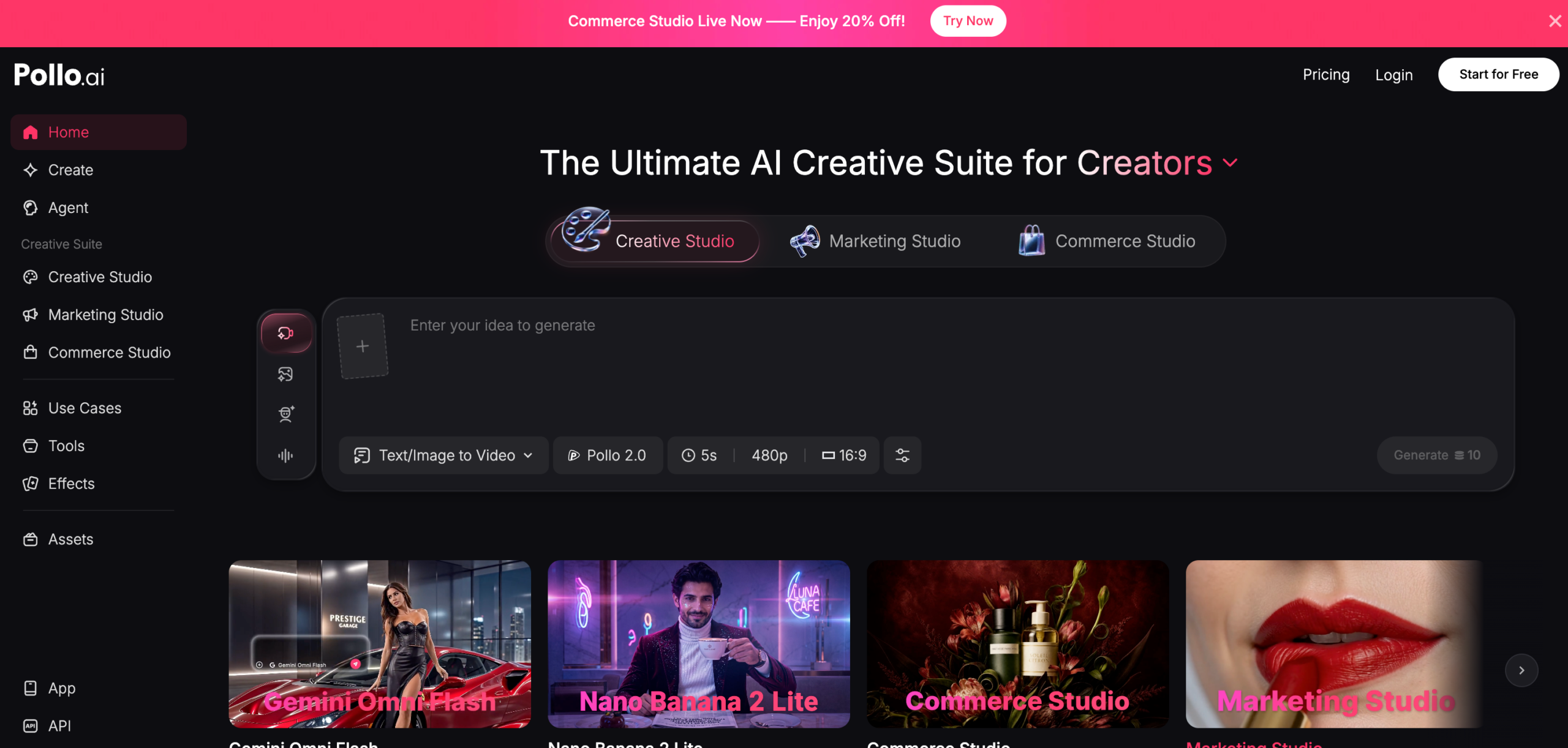
If you are looking to tap into this technology without a steep learning curve, tools like Pollo AI are making the process incredibly simple.
Pollo AI is an all-in-one creative suite designed for modern digital sellers and content creators. While it excels at generating hyper-realistic AI product photos that look like they were shot by a professional agency, its capabilities go much further.
To help brands maintain a cohesive online presence, Pollo AI offers a massive library of ready-to-use templates. Beyond product backgrounds, you can easily tap into viral marketing trends. It features quick-edit templates for Instagram reels and TikTok reels, and even meme videos—which are highly effective for driving organic engagement and humanizing your brand on social media. It bridges the gap between high-converting product pages and high-reach social media marketing.
The Tangible Benefits: Saving Time and Money
By integrating AI tools into their workflow, brands are seeing immediate returns on investment:
- Cost Reduction: Eliminating the need for physical props, studio rentals, and expensive cameras.
- Speed to Market: Instead of waiting weeks for professional edits, brands can launch new product listings on Shopify, Amazon, or Etsy within hours of receiving a prototype.
- Consistency: AI helps maintain a uniform aesthetic (lighting, shadows, and tone) across your entire website, which builds brand authority.
Best Practices for Using AI Product Photos
To get the best results from AI photo generation, keep these quick tips in mind:
- Use High-Quality Source Images: The AI needs a clear, well-lit image of your actual product to start with. Avoid blurry or heavily shadowed photos.
- Keep it Realistic: Ensure the shadows and lighting generated by the AI match the natural angles of your physical product.
- Stay True to Your Brand: Choose backgrounds and color palettes that align with your brand identity. If you sell eco-friendly products, stick to natural, earthy AI backdrops.
Conclusion
The future of e-commerce is visual, agile, and AI-driven. Brands that continue to rely solely on expensive, slow, traditional photography risk falling behind competitors who can launch, test, and optimize their visuals in real time.
By adopting AI product photo generators, you don’t just save time and money—you unlock the ability to tell better visual stories. Incorporating AI technology into your creative workflow is one of the fastest ways to turn casual browsers into paying customers.
FAQ’s
What is an AI product photo generator?
An AI product photo generator is a tool that uses artificial intelligence to create professional-looking product images. It can generate backgrounds, lifestyle settings, lighting effects, and different visual styles from a basic product photo.
How can AI product photos improve e-commerce conversions?
AI-generated product photos can make listings more visually appealing and help customers understand how a product looks in different settings. Better visuals can increase engagement, build trust, and encourage shoppers to complete a purchase.
Can AI product photo generators replace traditional photography?
AI can replace traditional photography for many lifestyle images, seasonal campaigns, ad creatives, and product-background variations. However, professional photography may still be preferable when exact product details, textures, colors, or highly specialized shots need to be represented accurately.
How can brands use AI product photos for A/B testing?
Brands can generate multiple visual versions of the same product with different backgrounds, environments, or styles. These variations can then be tested in ads, landing pages, or product listings to determine which creative generates better clicks and conversions.
What is Pollo AI used for in e-commerce?
Pollo AI can be used to create AI-generated product photos and marketing content. Brands can use it for product imagery as well as social media content such as Instagram videos, TikTok-style videos, and meme-based creatives.
Can AI generate seasonal product images?
Yes. AI tools can create seasonal settings for occasions such as Christmas, Halloween, Black Friday, summer campaigns, and other promotional events without requiring a new physical photoshoot.
What type of source image works best for AI product photography?
Start with a sharp, well-lit image where the entire product is clearly visible. Simple backgrounds, accurate colors, minimal shadows, and high resolution generally give AI tools better material to work with.
Are AI-generated product photos suitable for Shopify, Amazon, and Etsy?
They can be, but sellers should check each marketplace’s current image and AI-content policies. AI-generated lifestyle images may be useful for supplementary visuals, while primary listing images may have stricter requirements.
How can brands make AI product photos look realistic?
Pay close attention to lighting direction, shadows, reflections, proportions, product details, and perspective. The generated environment should look physically consistent with the original product image.
What are the main benefits of AI product photography?
The main advantages are lower production costs, faster content creation, easier creative testing, greater scalability, and the ability to maintain a consistent visual identity across product listings and marketing campaigns.