
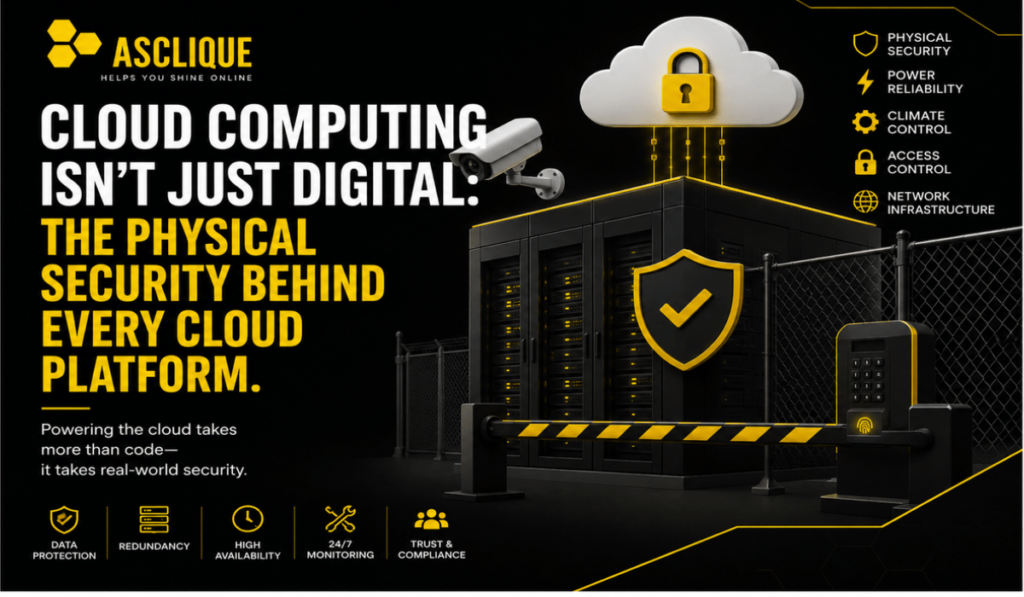
When people think about cloud computing, they often picture virtual machines, APIs, encryption, and cybersecurity. What they rarely think about is the physical infrastructure that makes cloud computing possible.
Every file stored in Amazon Web Services (AWS), Microsoft Azure, or Google Cloud ultimately resides inside a physical data center filled with thousands of servers, networking equipment, and storage systems. According to industry estimates, there are more than 11,000 data centers worldwide, with hyperscale facilities operated by companies like AWS, Microsoft, and Google continuing to expand rapidly. Gartner also predicts that global spending on public cloud services will exceed $1 trillion in the coming years, showing just how dependent businesses have become on cloud infrastructure.
Yet even the most advanced cybersecurity tools cannot protect a server if someone gains unauthorized physical access to it. A single security breach inside a data center can disrupt critical services used by banks, hospitals, retailers, governments, and millions of businesses around the world.
This is why data center security systems have become a critical part of cloud computing. Physical security now works alongside cybersecurity to protect infrastructure, prevent downtime, and maintain trust in cloud platforms.
In this article, you’ll learn why physical security is just as important as digital security, how major cloud providers protect their facilities, and why AI-powered surveillance is reshaping modern data center protection.
Key Takeaways
- Cloud computing depends on highly secure physical data centers.
- Physical breaches can cause service disruptions, data theft, and operational downtime.
- AWS, Microsoft Azure, and Google Cloud all invest heavily in layered physical security.
- AI surveillance is making security teams faster and more proactive.
- Modern data center security combines access control, video intelligence, and real-time monitoring.
Every Cloud Service Starts Inside a Physical Building
Cloud computing feels invisible because users interact with applications through the internet. However, behind every cloud application sits an enormous physical facility packed with computing hardware.
When you upload photos to cloud storage, stream a movie, use Microsoft 365, or run an AI application, your information is processed inside servers located in carefully protected data centers.
These facilities operate around the clock and host thousands of server racks worth millions of pounds. Even a few minutes of downtime can affect millions of users simultaneously. For example, cloud outages have previously disrupted banking services, airline operations, online shopping, and healthcare systems across multiple countries.
That is why cloud providers invest just as much in protecting buildings, equipment, and personnel as they do in software security.
A modern data center is designed to defend against threats such as:
- Unauthorised physical access
- Equipment theft
- Insider threats
- Sabotage
- Fire and environmental hazards
- Power failures
Without protecting the physical infrastructure, digital security alone cannot guarantee service availability.
Why Modern Data Center Security Systems Matter More Than Ever
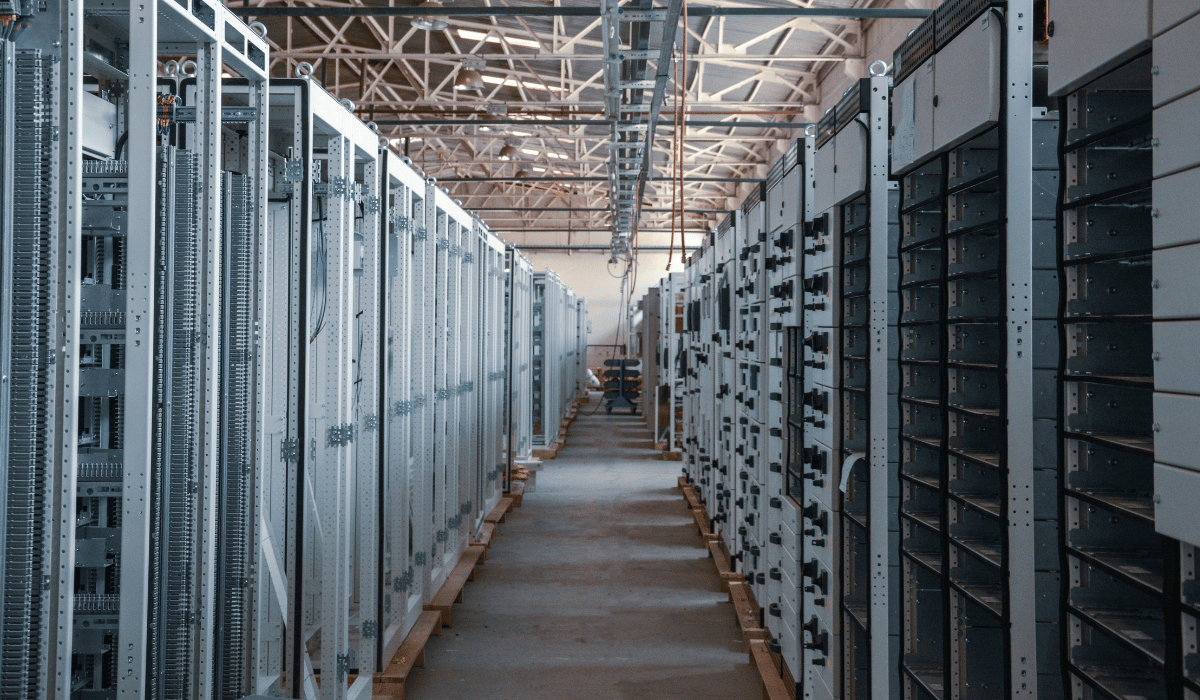
As cloud adoption continues to grow, protecting physical infrastructure has become increasingly complex.
Modern data center security systems no longer rely only on guards and CCTV cameras. Instead, they combine intelligent video surveillance, access control, AI-powered monitoring, and automated incident response to create multiple layers of protection.
Platforms such as Coram demonstrate how modern physical security is evolving by bringing together AI video surveillance, access control, fire detection, and emergency response into a single platform. Rather than replacing existing cameras and readers, the platform integrates with existing infrastructure, correlates access events with video, detects suspicious behavior such as tailgating or unauthorized access in real time, and provides security teams with a unified dashboard for faster investigations and response.
This layered approach is especially important because physical attacks often involve legitimate credentials, contractors, or employees rather than obvious break-ins.
Instead of simply recording incidents, modern systems help security teams identify problems as they happen.
AWS, Azure, and Google Cloud treat physical security as a core responsibility
The world’s largest cloud providers understand that customer trust depends on keeping their infrastructure secure.
AWS, Microsoft Azure, and Google Cloud operate multiple layers of physical protection around their facilities.
Typical security measures include the following:
- Secure perimeter fencing
- Vehicle checkpoints
- Security officers
- Multi-factor authentication
- Biometric verification
- Restricted access zones
- Continuous video monitoring
- Visitor management procedures
Only authorized personnel can enter sensitive server areas, and access permissions are tightly controlled based on job responsibilities.
This layered approach ensures that compromising one security checkpoint does not automatically provide access to critical infrastructure.
The result is a defense strategy that protects both customer data and business continuity.
AI Surveillance Is Transforming Data Center Protection
Traditional CCTV systems mainly record footage for later review.
AI surveillance changes this model completely.
Instead of waiting for someone to notice suspicious activity, artificial intelligence continuously analyzes live video streams to identify unusual behavior.
Examples include:
- Someone loitering near restricted entrances
- Tailgating behind authorised employees
- Forced entry attempts
- Unexpected movement during off-hours
- Unattended objects
- Personnel entering restricted zones
Rather than forcing operators to monitor hundreds of screens, AI automatically highlights incidents that require attention.
This reduces response times while allowing security teams to focus on genuine threats instead of routine activity.
As cloud infrastructure continues expanding, this level of automation becomes increasingly valuable because manual monitoring simply cannot scale.
Physical Security Helps Prevent Downtime
One successful physical security incident can have consequences far beyond stolen hardware.
A damaged server, interrupted power supply, or compromised networking equipment may affect thousands or even millions of users simultaneously.
For businesses relying on cloud platforms, downtime can result in:
- Lost revenue
- Interrupted customer services
- Regulatory consequences
- Reputation damage
- Operational delays
Physical security therefore becomes part of overall business continuity planning.
The objective is not only preventing intrusions but also ensuring that cloud services remain available regardless of unexpected events.
This explains why modern data centers combine surveillance, environmental monitoring, fire detection, emergency procedures, and access management into one coordinated strategy.
The Biggest Threat Is Not Always an External Hacker
When people imagine cloud security, they often picture cybercriminals attacking networks remotely.
In reality, many security incidents involve people who already have some level of authorized access.
These may include:
- Contractors
- Vendors
- Temporary staff
- Former employees
- Third-party maintenance teams
Managing these users requires far more than issuing access cards.
Modern facilities implement role-based permissions, visitor tracking, detailed audit logs, and continuous monitoring to ensure individuals only access areas relevant to their responsibilities.
This greatly reduces insider risks while improving accountability across the facility.
The Future of Cloud Security Combines Digital Intelligence with Physical Protection
Cloud computing continues to evolve through AI, automation, edge computing, and increasingly distributed infrastructure.
As more organizations migrate critical workloads to cloud platforms, protecting physical assets becomes even more important.
Future data center security systems are expected to rely heavily on AI for:
- Predictive threat detection
- Automated investigations
- Behaviour analysis
- Intelligent access management
- Integrated emergency response
- Centralised monitoring across multiple facilities
Instead of reacting after an incident occurs, security teams will increasingly prevent problems before they affect operations.
For cloud providers, this proactive approach helps maintain availability, improve compliance, and strengthen customer confidence.
Conclusion
Cloud computing may feel entirely digital, but every application, database, and AI model ultimately depends on physical infrastructure that must be protected around the clock. As organizations continue investing billions in cloud technology, securing the buildings that power these services has become just as important as protecting the software itself.
The future of cloud security will belong to organizations that treat cybersecurity and physical security as one connected strategy. The question is no longer whether your data is encrypted, but whether the facility storing it is protected just as intelligently.
Frequently Asked Questions
What are data center security systems?
Data center security systems are integrated physical security solutions that protect servers, networking equipment, and critical infrastructure using access control, surveillance, AI monitoring, environmental protection, and emergency response technologies.
Why is physical security important in cloud computing?
Cloud services run on physical servers inside data centers. If someone gains unauthorized physical access or damages infrastructure, cloud services can experience downtime, data loss, or operational disruption.
Do AWS, Azure, and Google Cloud use physical security?
Yes. Major cloud providers use multiple physical security layers, including biometric authentication, security personnel, surveillance systems, restricted access zones, and continuous monitoring to protect their facilities.
How does AI improve data center security?
AI analyzes live video feeds, detects suspicious behavior automatically, identifies unusual activity, reduces false alarms, and enables faster responses to potential threats.